En un evento en el Instituto de Estudios Internacionales (IEI), Universidad de Chile, esta mañana presentamos los principales hallazgos y recomendaciones de la publicación Política Comercial de Chile hacia la Cuenca del Pacífico, investigación desarrollada por el IEI por encargo de y en colaboración con la Fundación Chilena del Pacífico.
Este trabajo analiza las oportunidades y desafíos para la profundización y expansión de las relaciones económicas de Chile en la cuenca asiática del Pacífico, en un contexto de profundos cambios geopolíticos y geoeconómicos. Del mismo modo propone estrategias de mediano y largo plazo que incluyen iniciativas para la consolidación de un espacio denominado "Latino Pacífico" y para el crecimiento de los servicios.
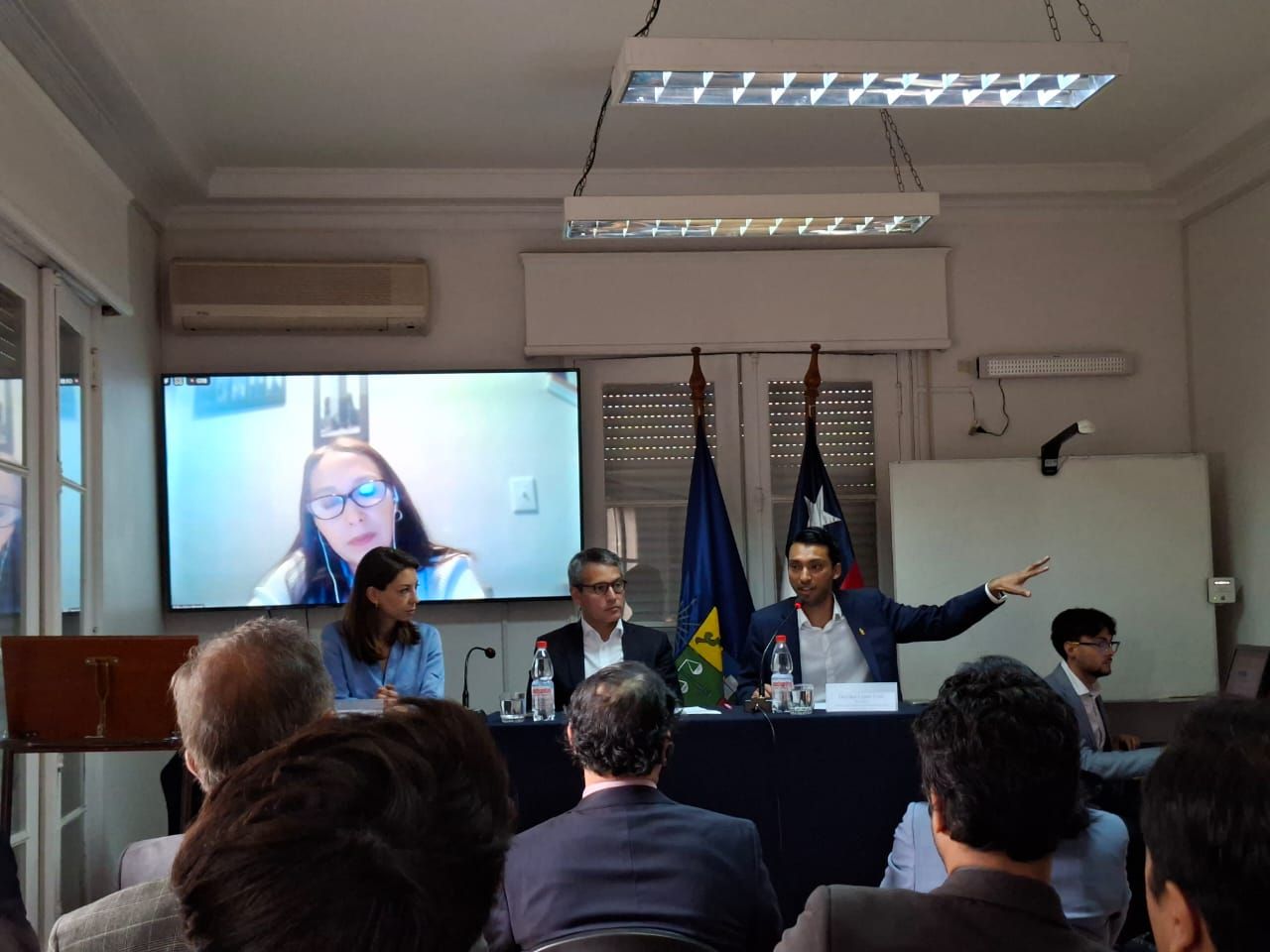
Loreto Leyton, directora ejecutiva de la Fundación, dio unas palabras de bienvenida y contextualización del trabajo, mientras que Dorotea López, directora del IEI, presentó los hallazgos y conclusiones del reporte.
"Esta publicación analiza las oportunidades y desafíos de la política comercial chilena con las dinámicas y transiciones que impactan el comercio, al tiempo que establece recomendaciones para configurar una estrategia que esperamos sean de utilidad para las autoridades y para los representantes del sector privado, quienes son los llamados a visualizar y aprovechar estos nuevos caminos que se presentan", dijo Loreto Leyton.
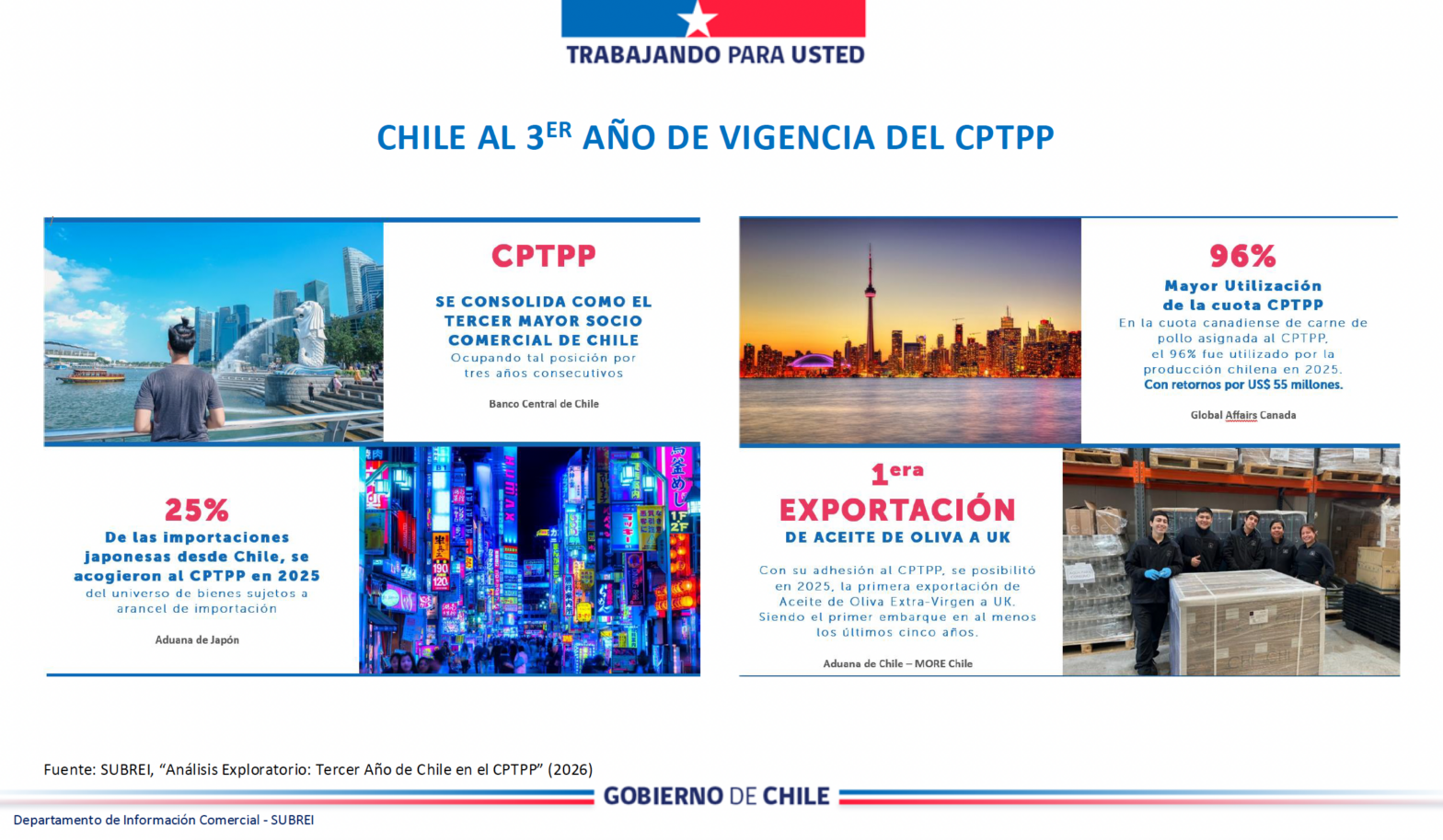
Dorotea López, a su vez, destacó que "en 2024, el 56% de las exportaciones chilenas se destinaron a esa región, que concentra el centro de gravedad del comercio internacional, la inversión productiva y la reorganización de las cadenas globales de valor, liderando tres vectores estratégicos del siglo XXI: la transición energética y minerales críticos; alimentos, seguridad alimentaria y valor agregado, y digitalización y servicios intensivos en conocimiento".
El panel de comentaristas, que moderó Andrés Bórquez, coordinador del magíster en Estudios Asiáticos del IEI, contó con la participación de Natalia Cortés, ex jefa de la División Asia y Oceanía de ProChile; Paulina Nazal, ex directora general de Relaciones Económicas Internacionales del Ministerio de Relaciones Exteriores y consultora en ProAmérica; y Rodrigo Yáñez, secretario general de SOFOFA y ex subsecretario de Relaciones Económicas Internacionales.
Paulina Nazal señaló la importancia de la priorización, para identificar los sectores donde Chile puede competir, mientras que Rodrigo Yáñez llamó a generar más articulación con el sector privado en convenios y acuerdos comerciales. Natalia Cortés destacó la solidez de la política comercial chilena, aunque alertó de que "el mundo está cambiando abruptamente y uno de los principales desafíos que nos plantea el estudio es cómo nos adaptamos a esta nueva realidad".
This event has no additional material