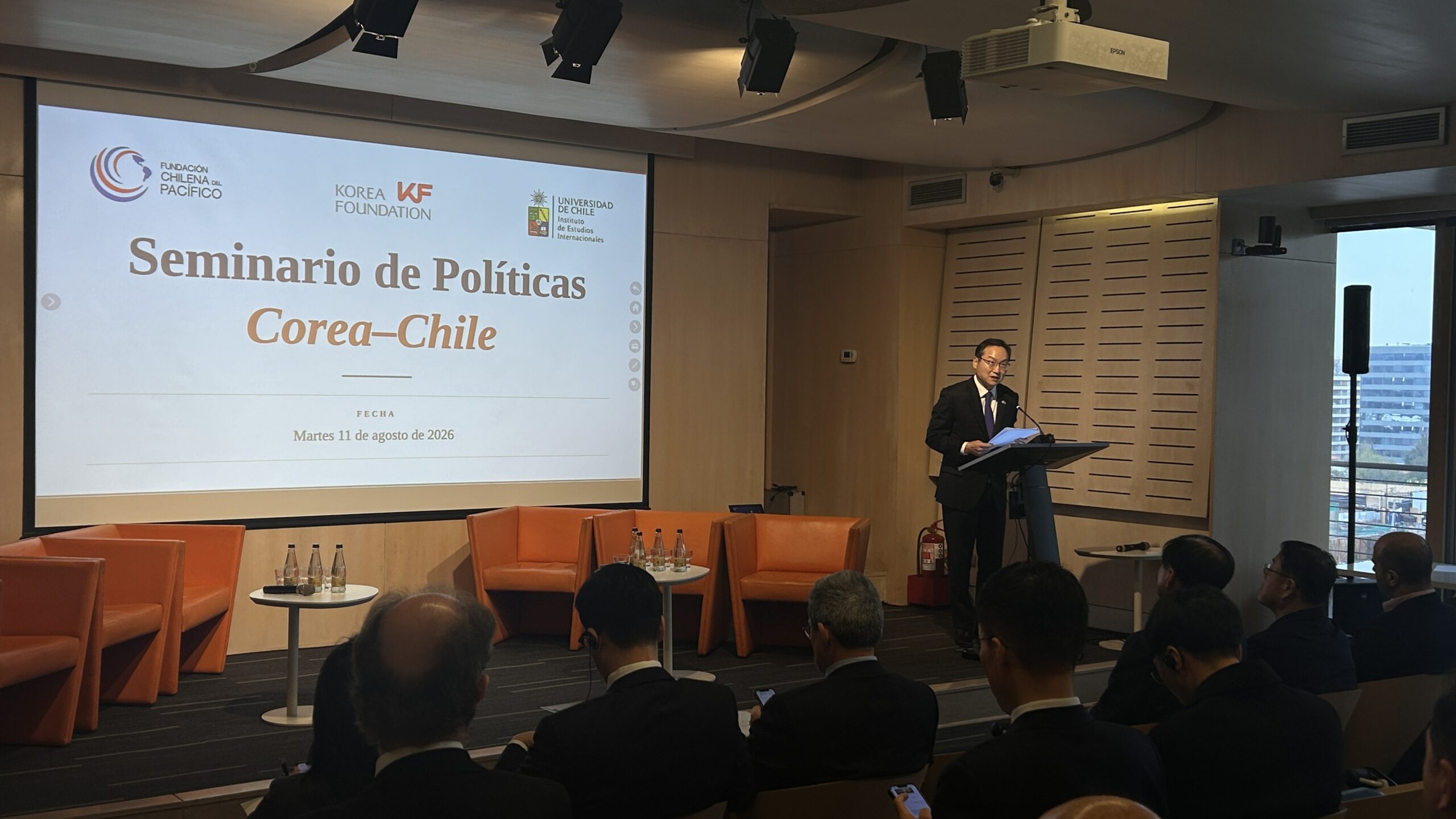
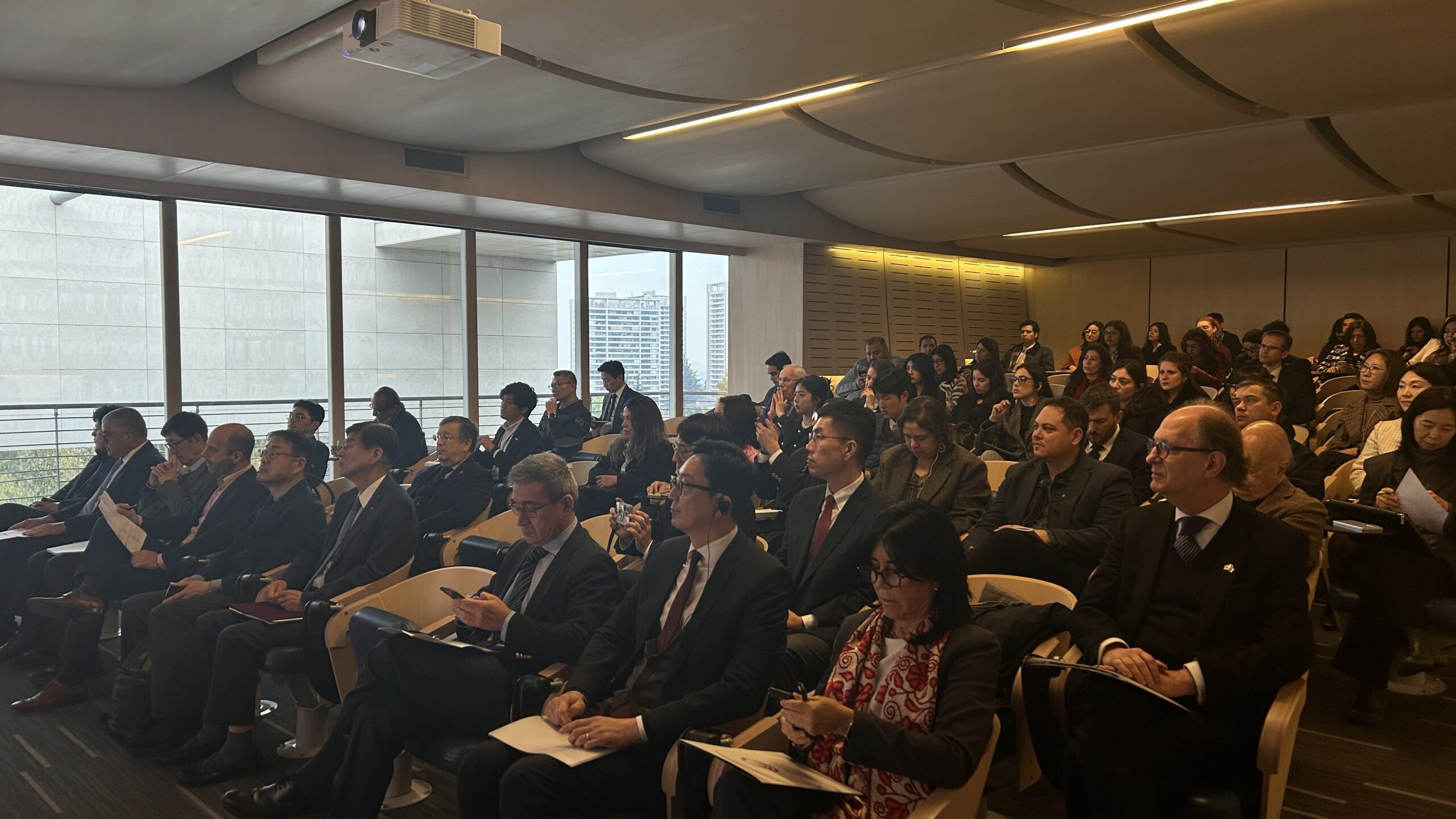
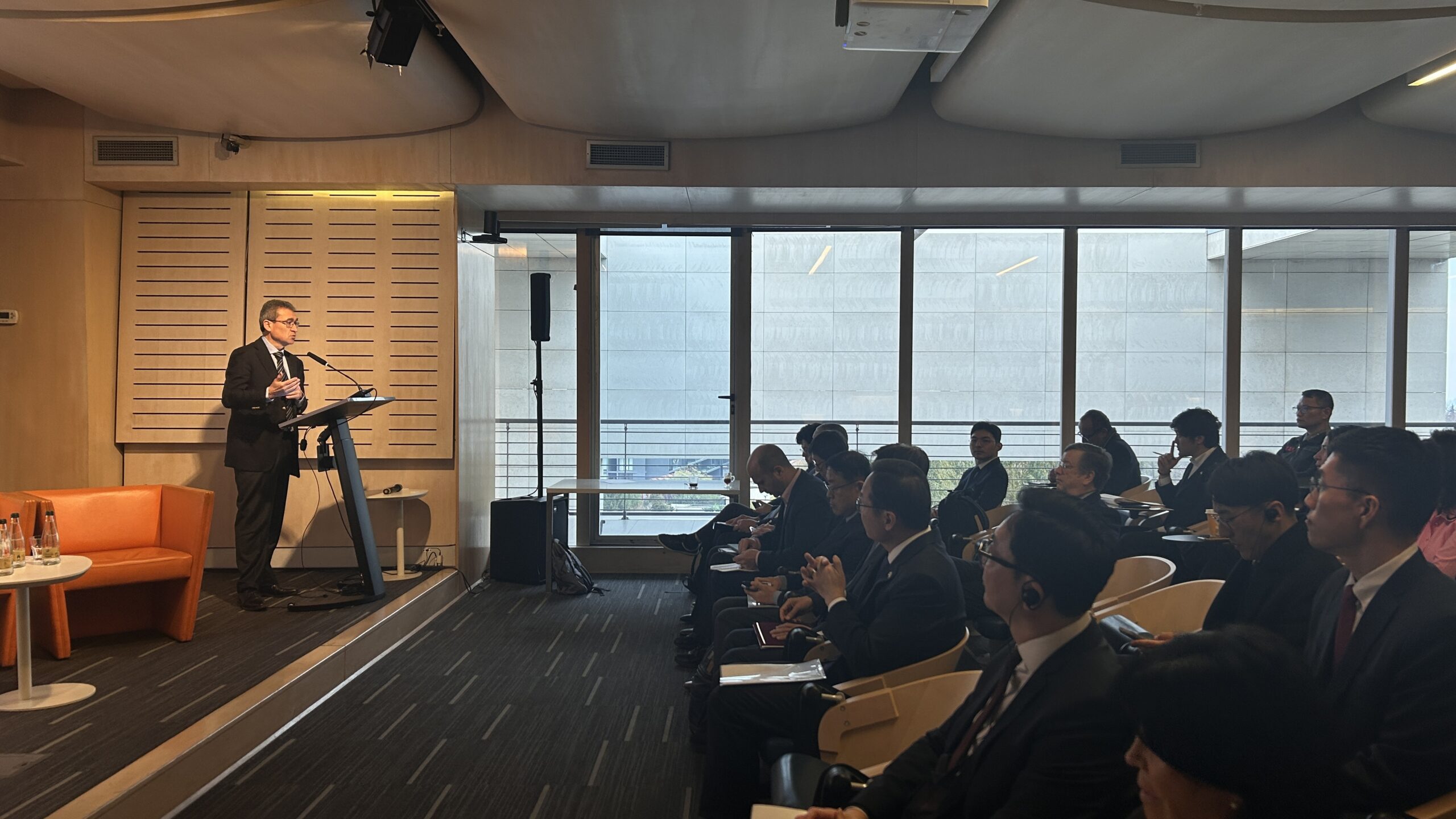
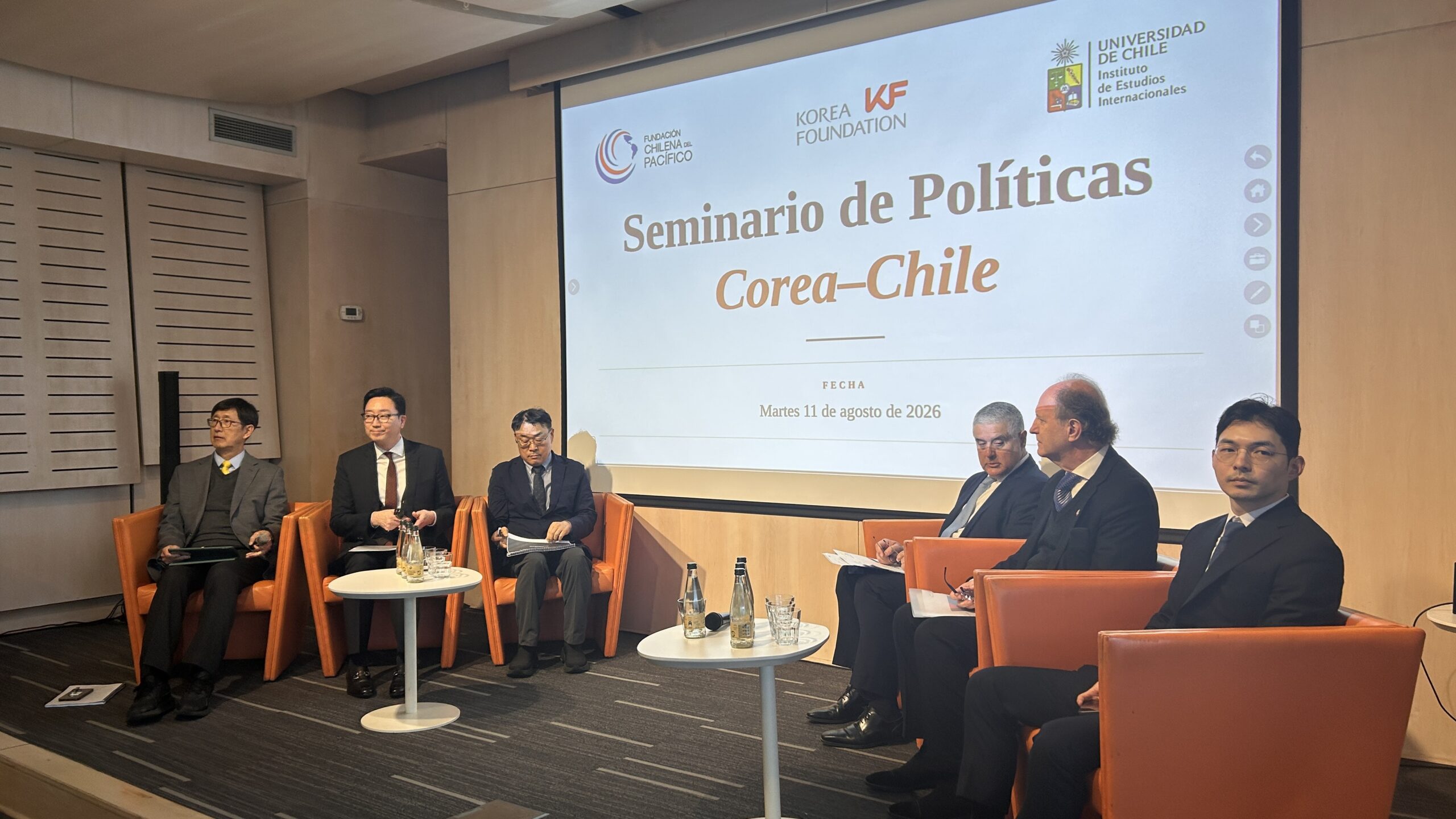
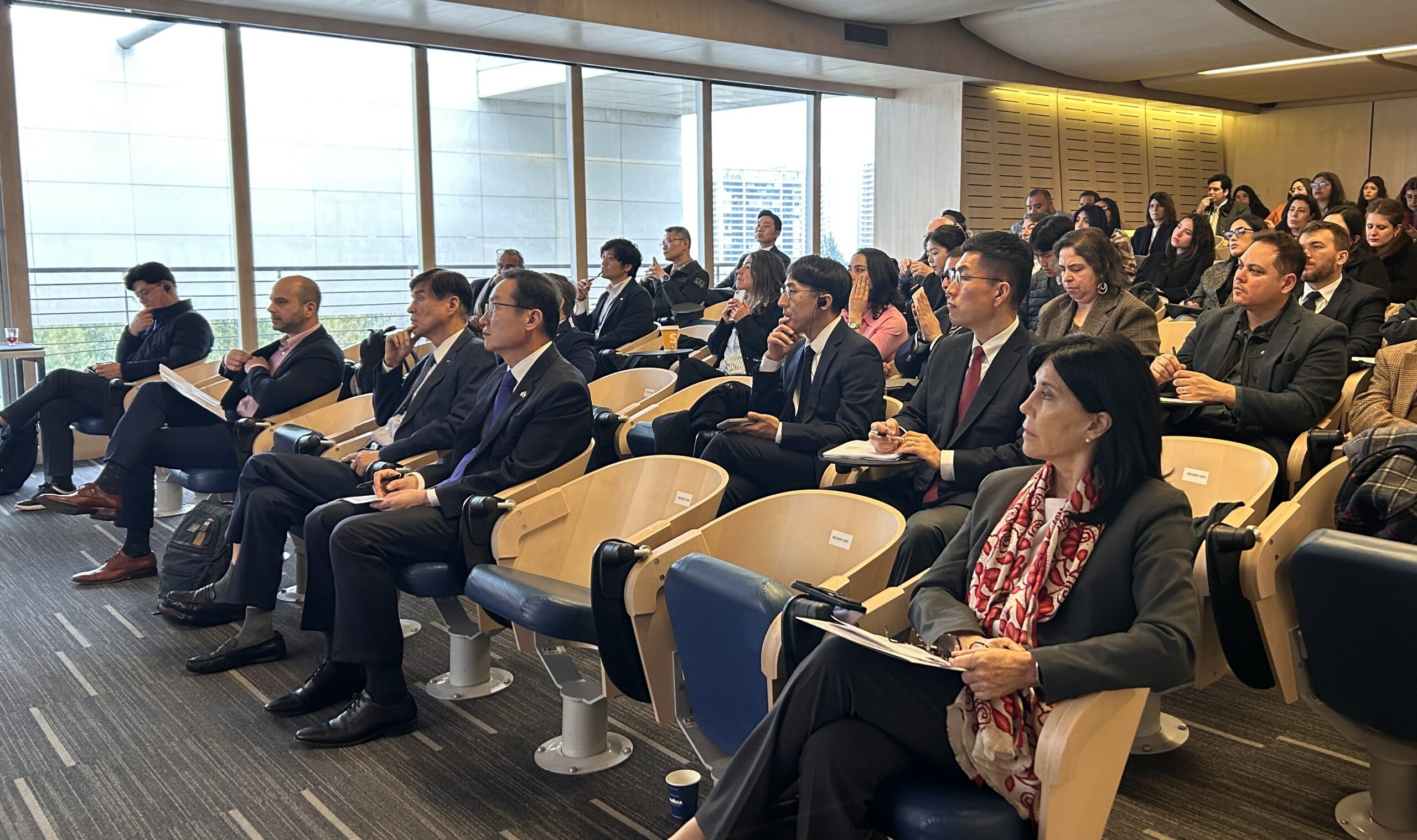
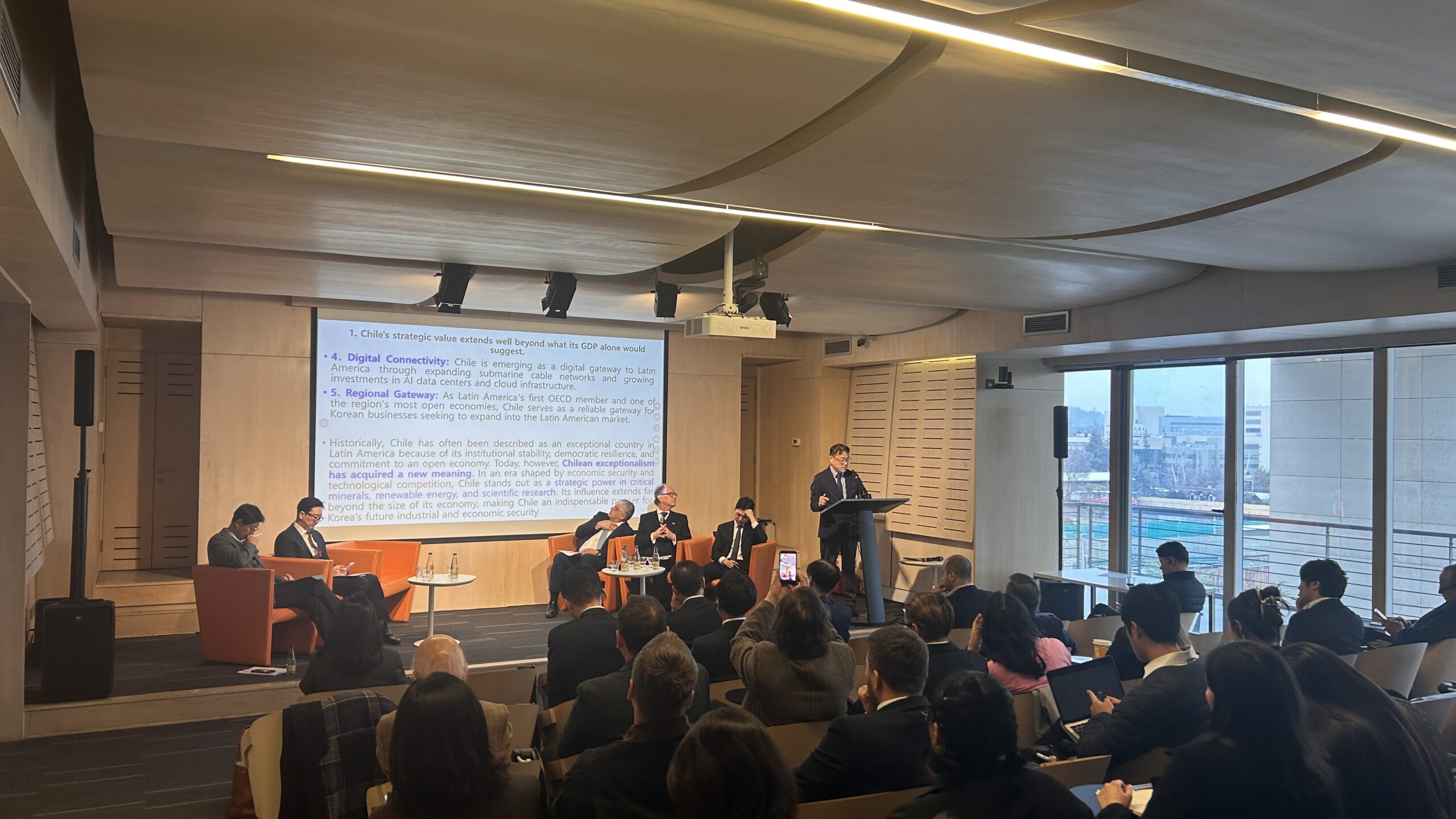
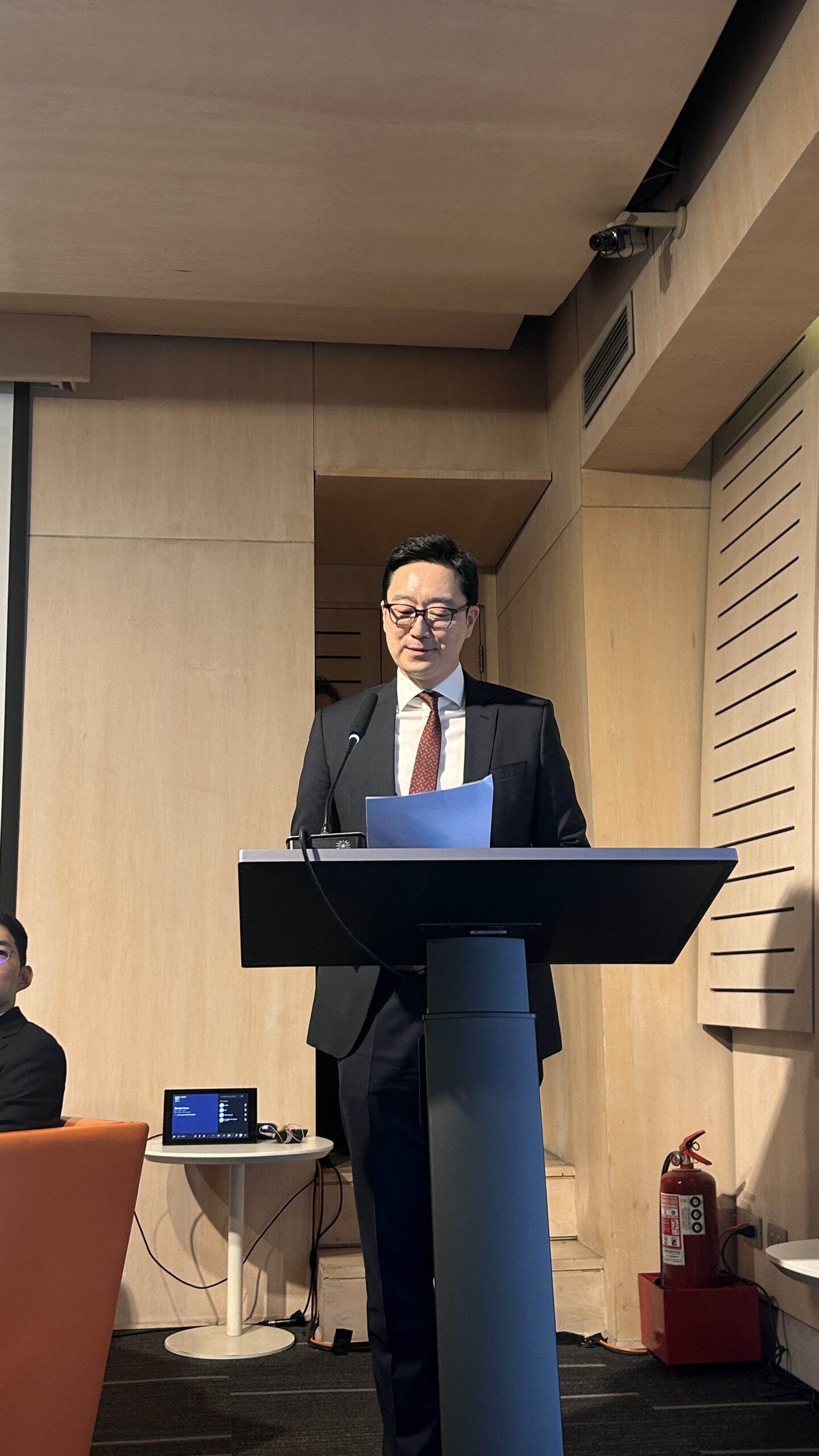
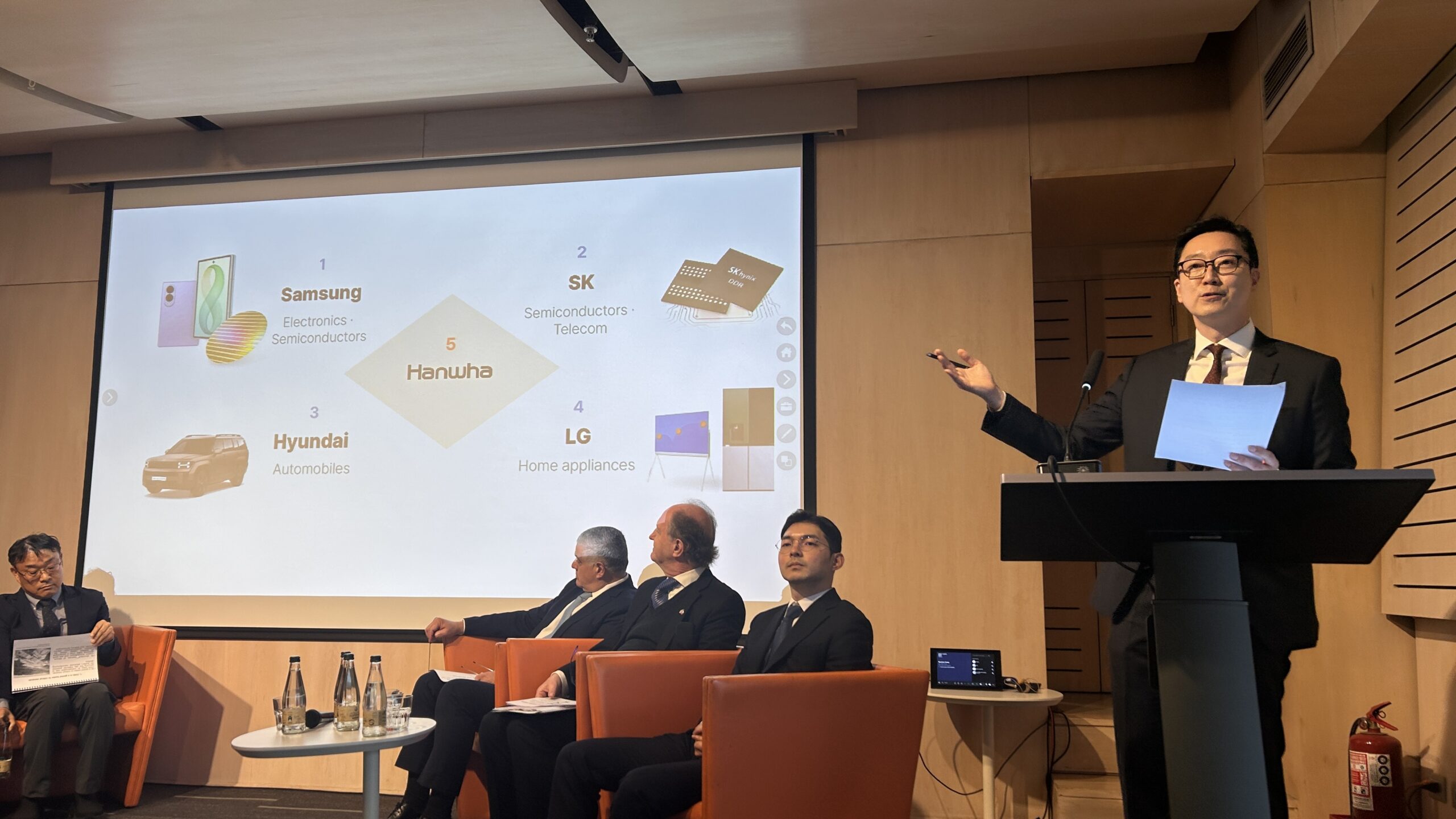
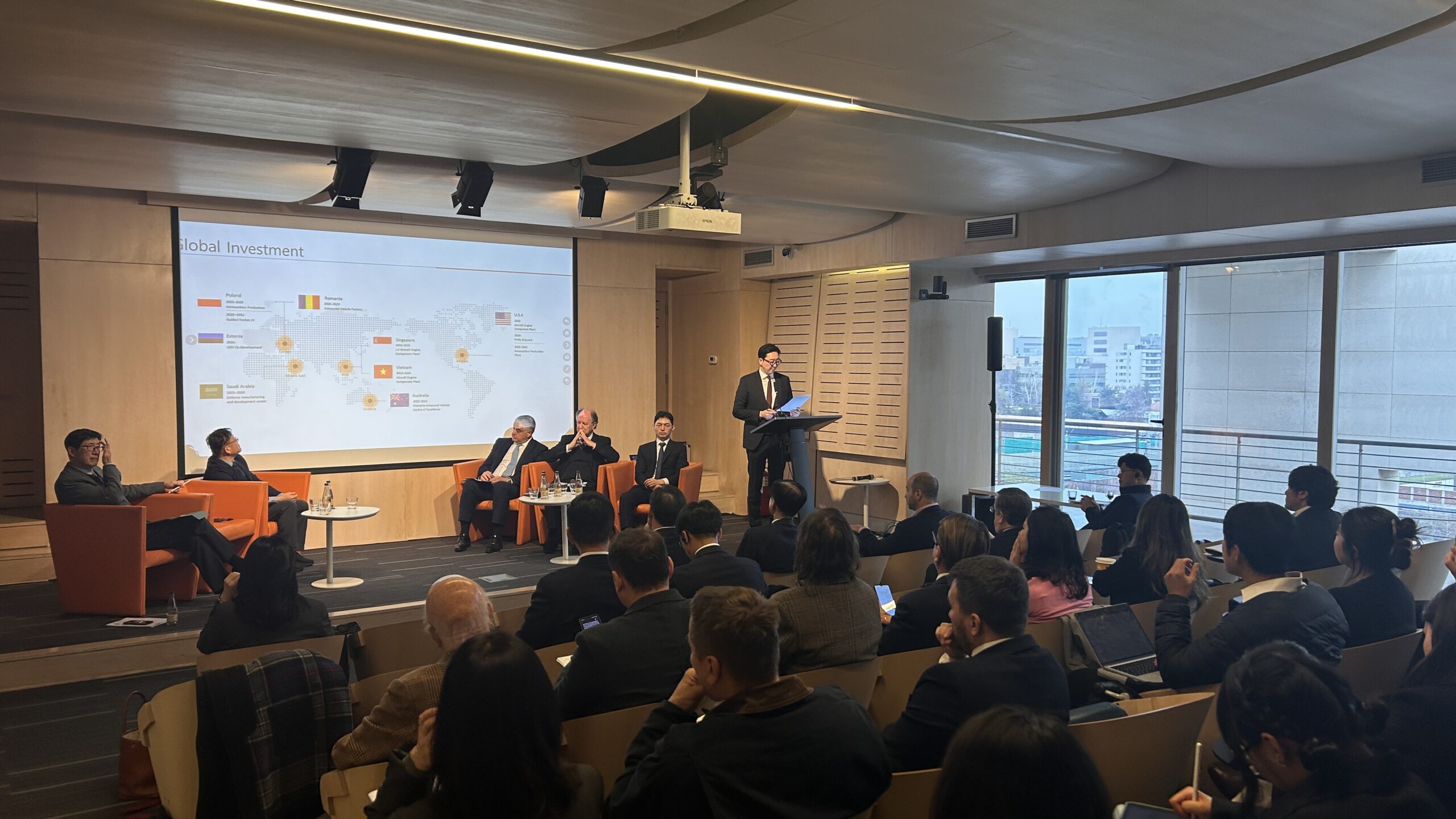
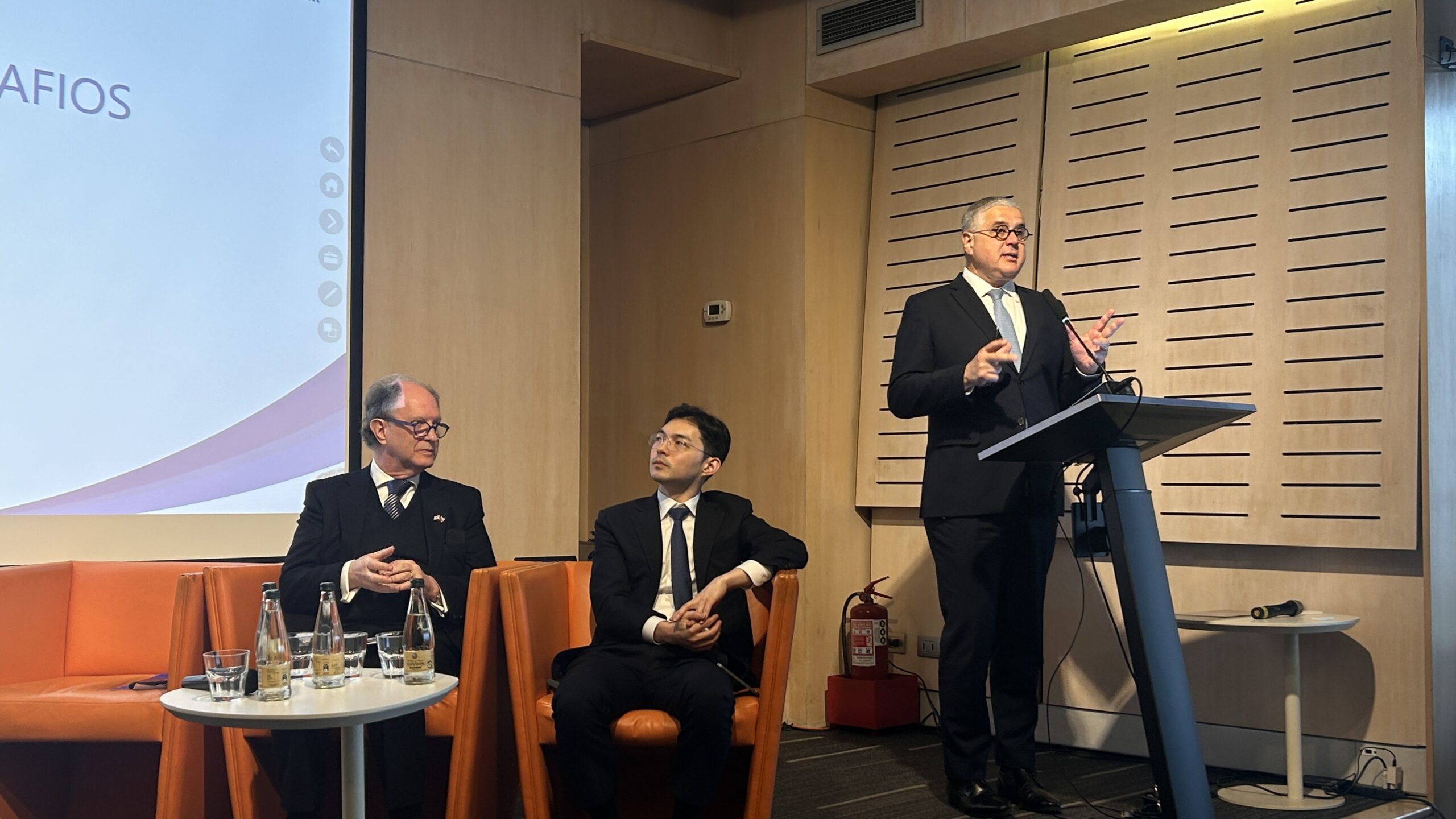
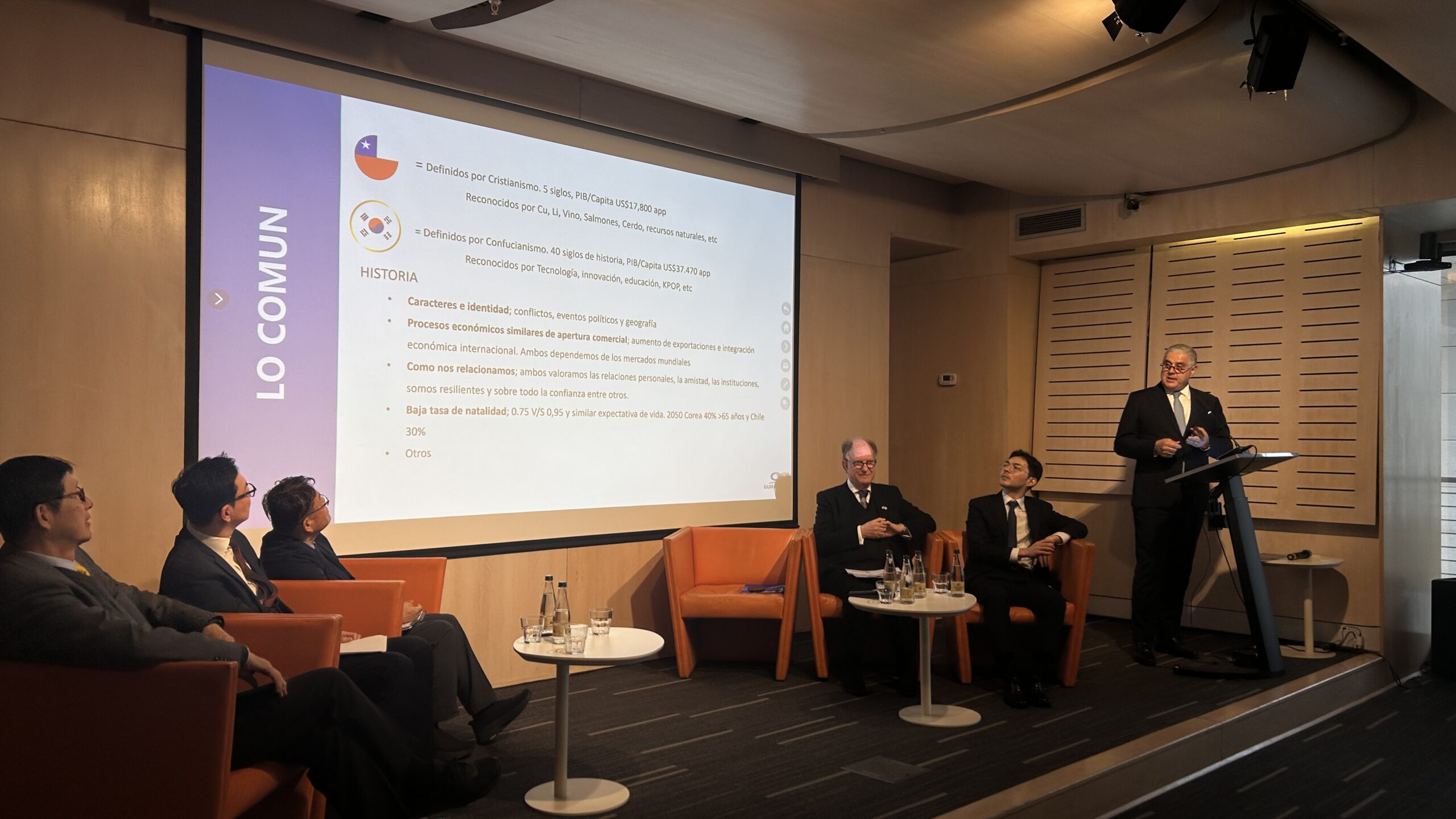
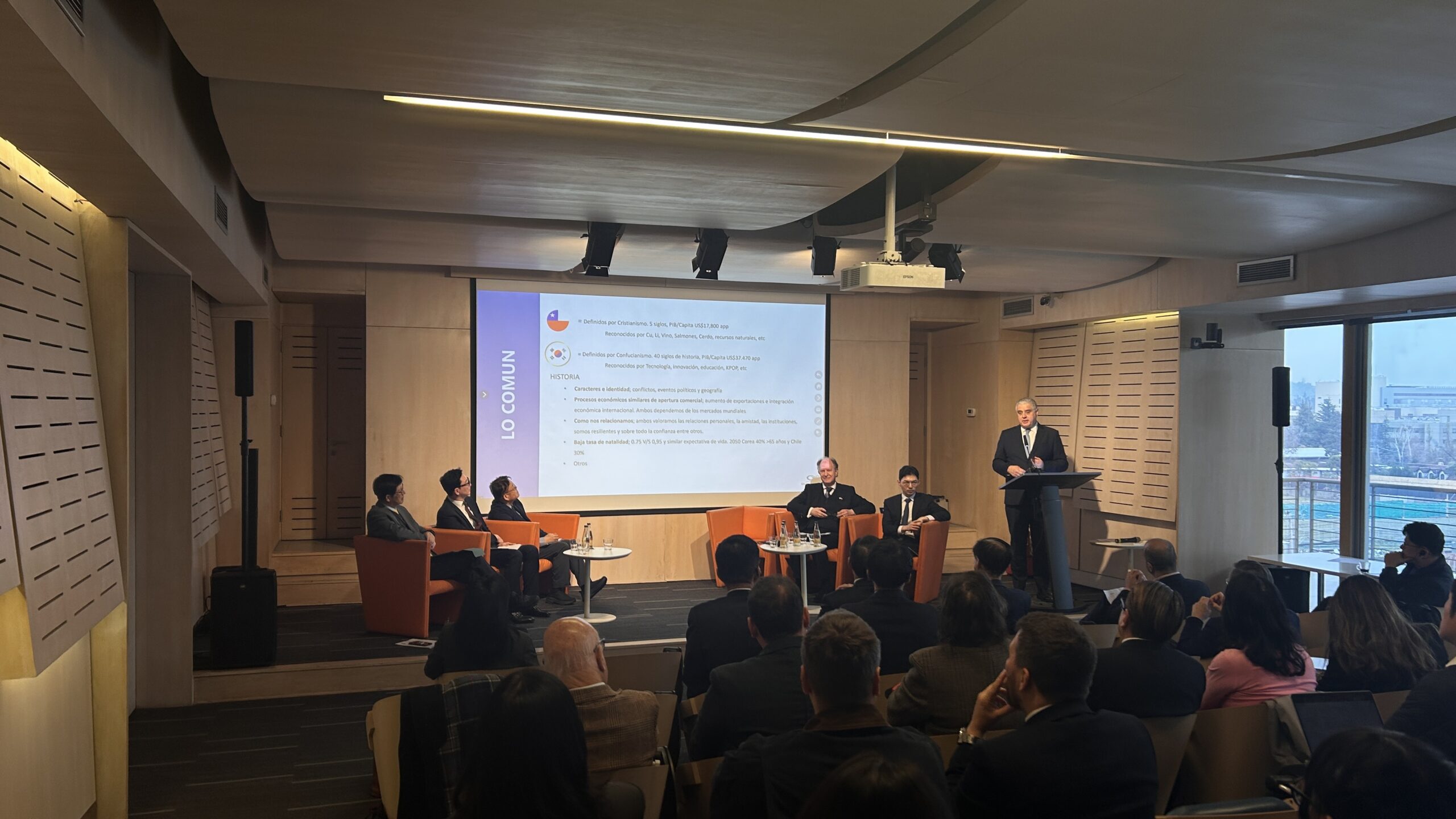
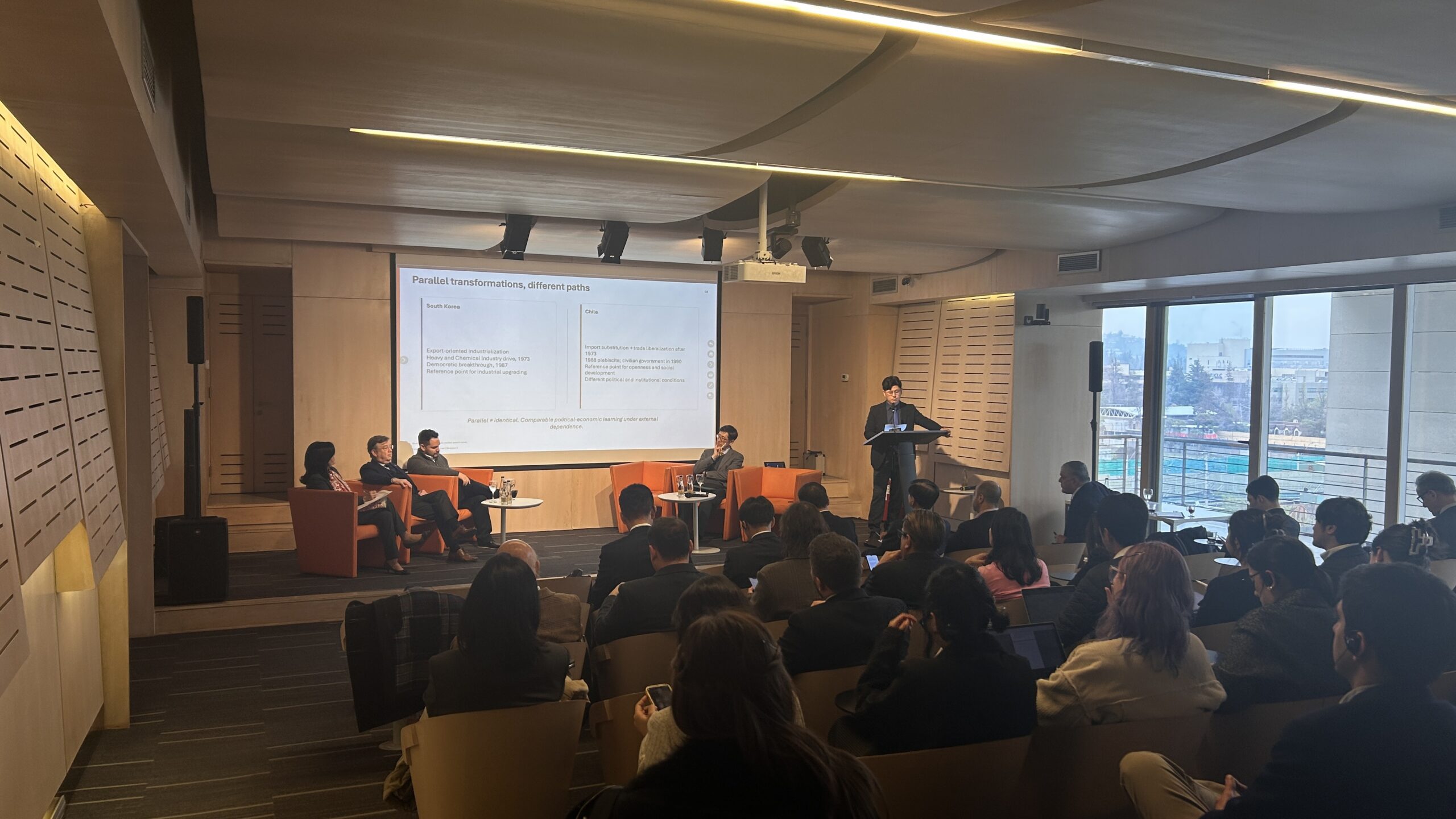
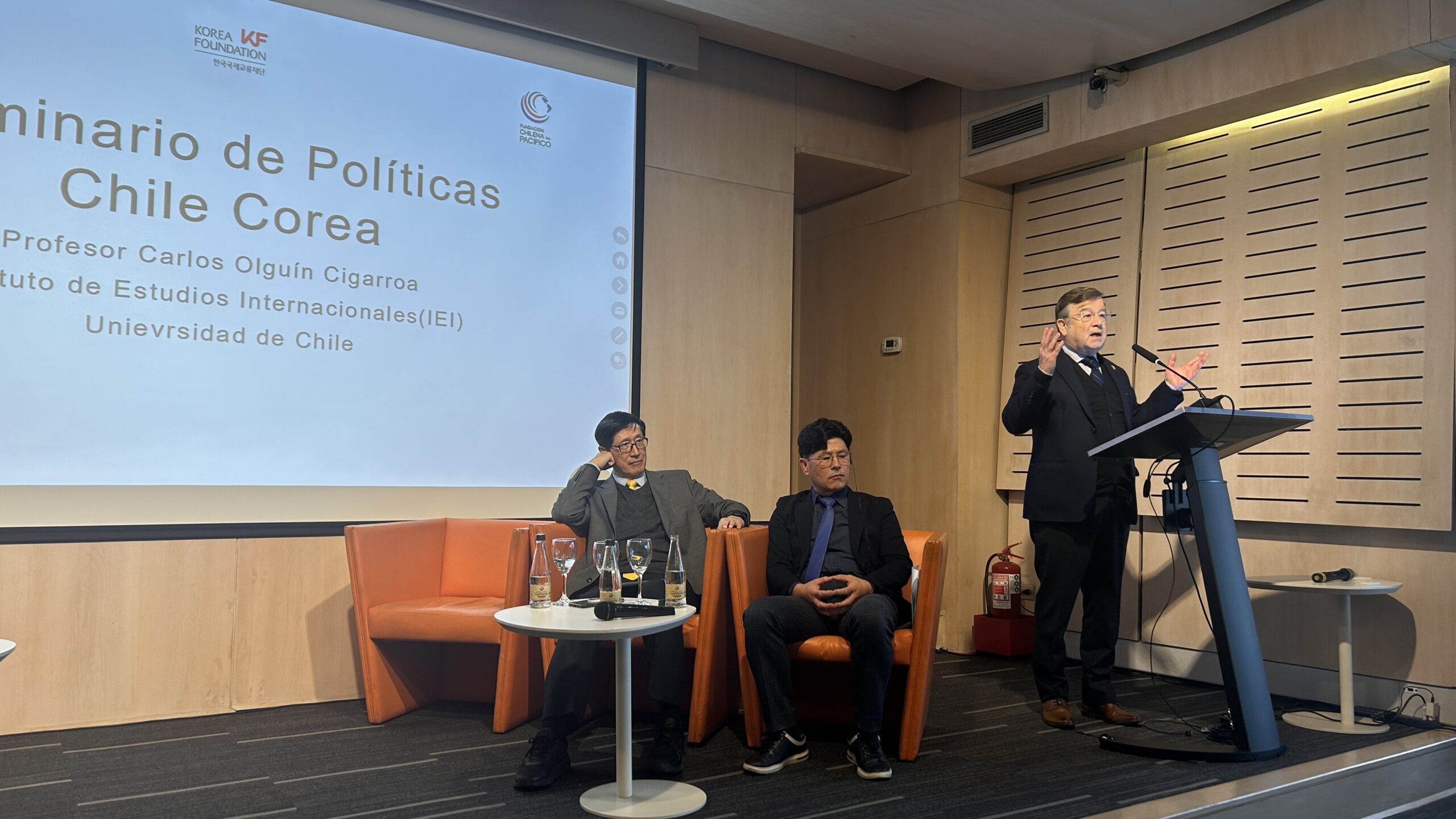
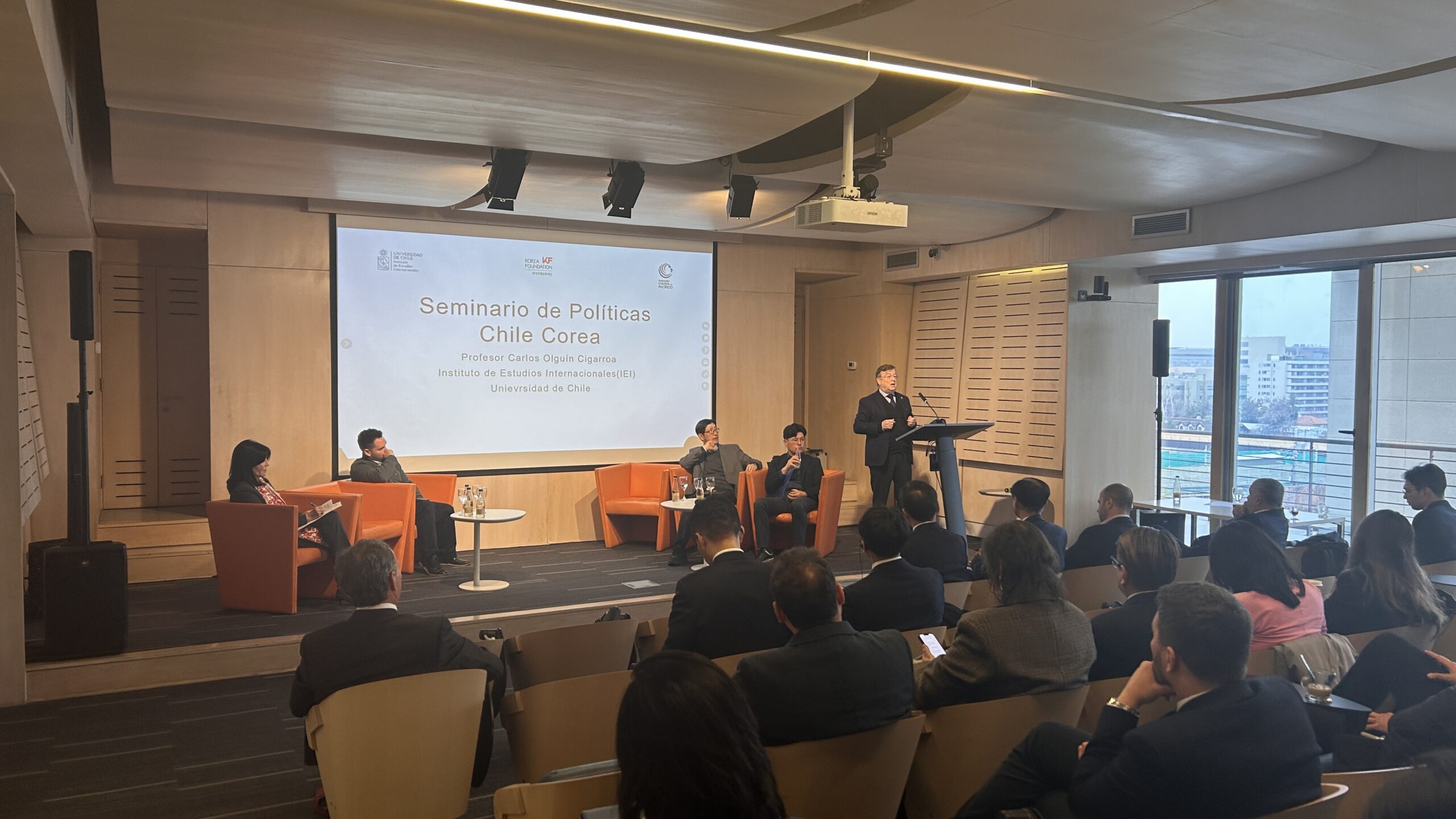
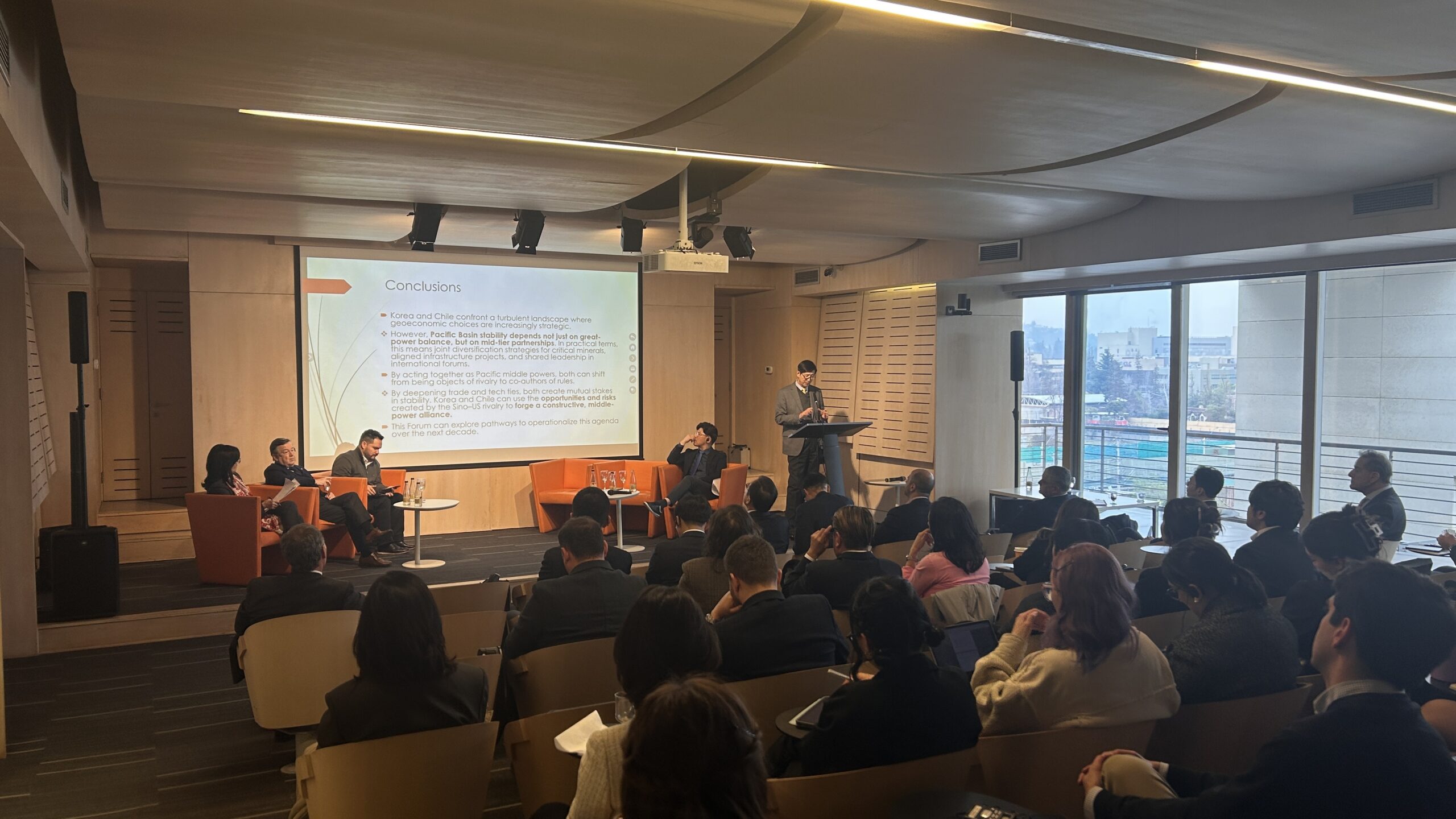
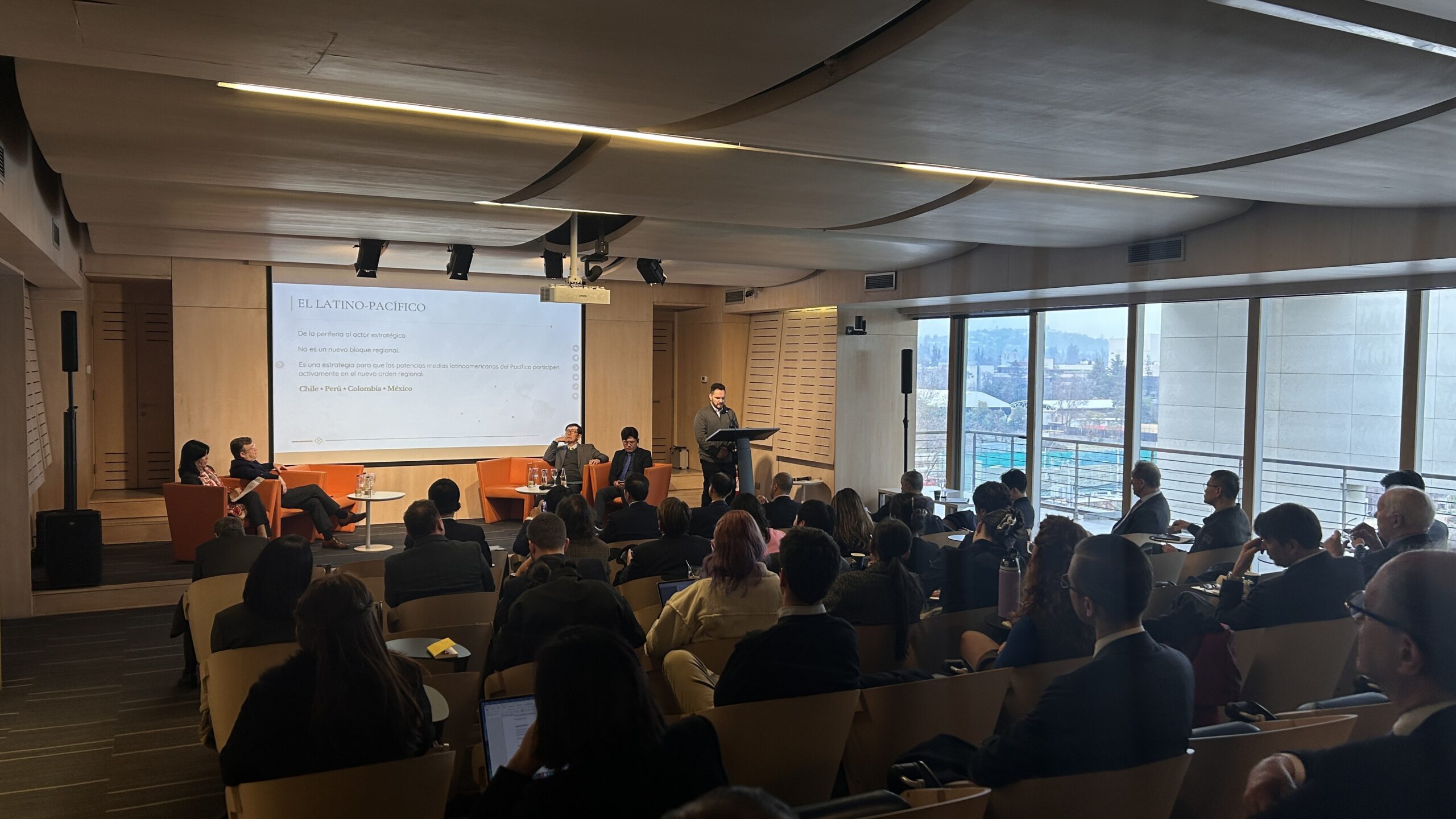
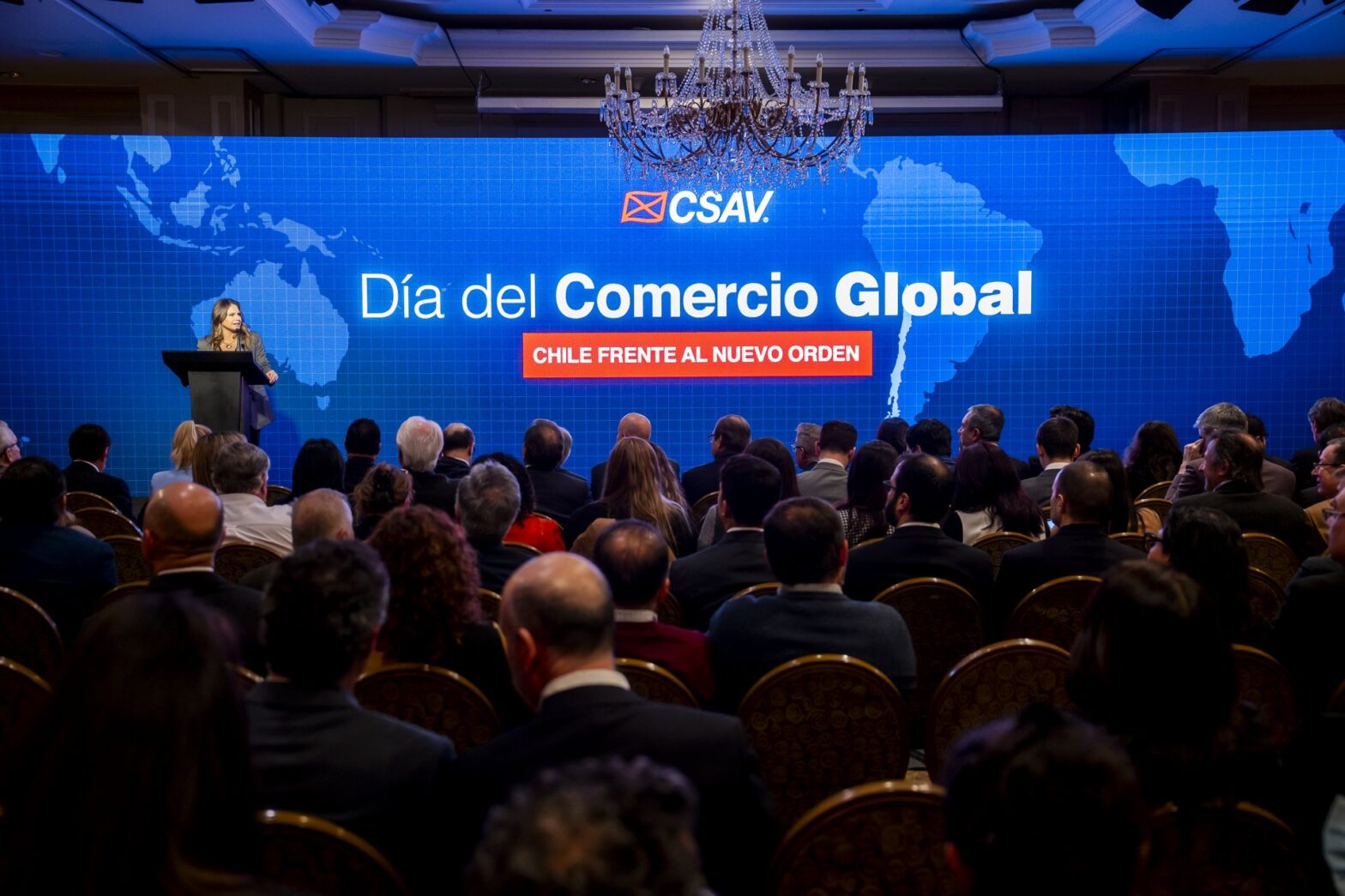
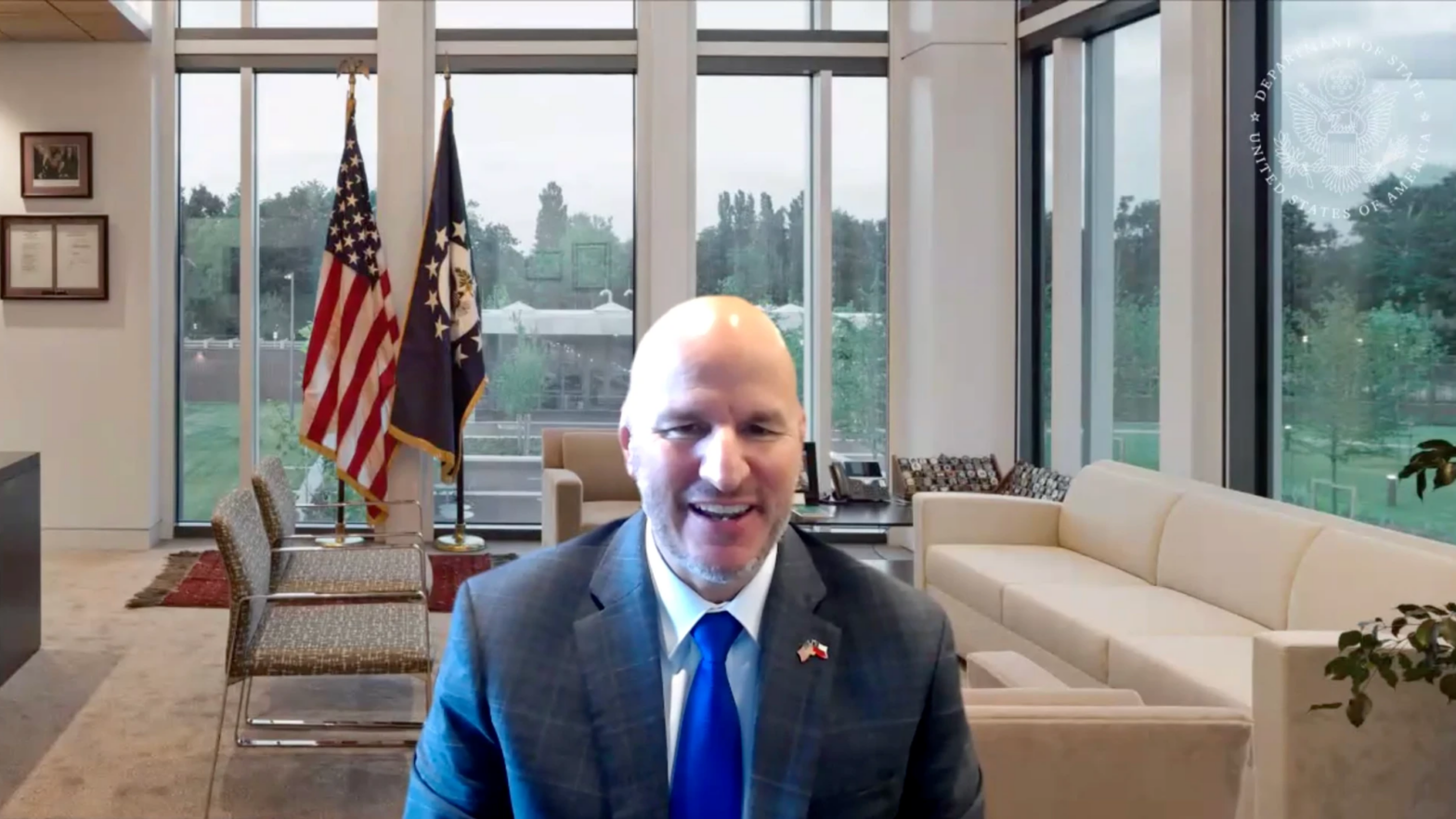
This morning we held the Korea–Chile Policy Seminar, together with the Korea Foundation and the Institute of International Studies (IEI) of the University of Chile, to analyze the bilateral relationship and the shared challenges posed by the geopolitical realignment in the Pacific Basin.
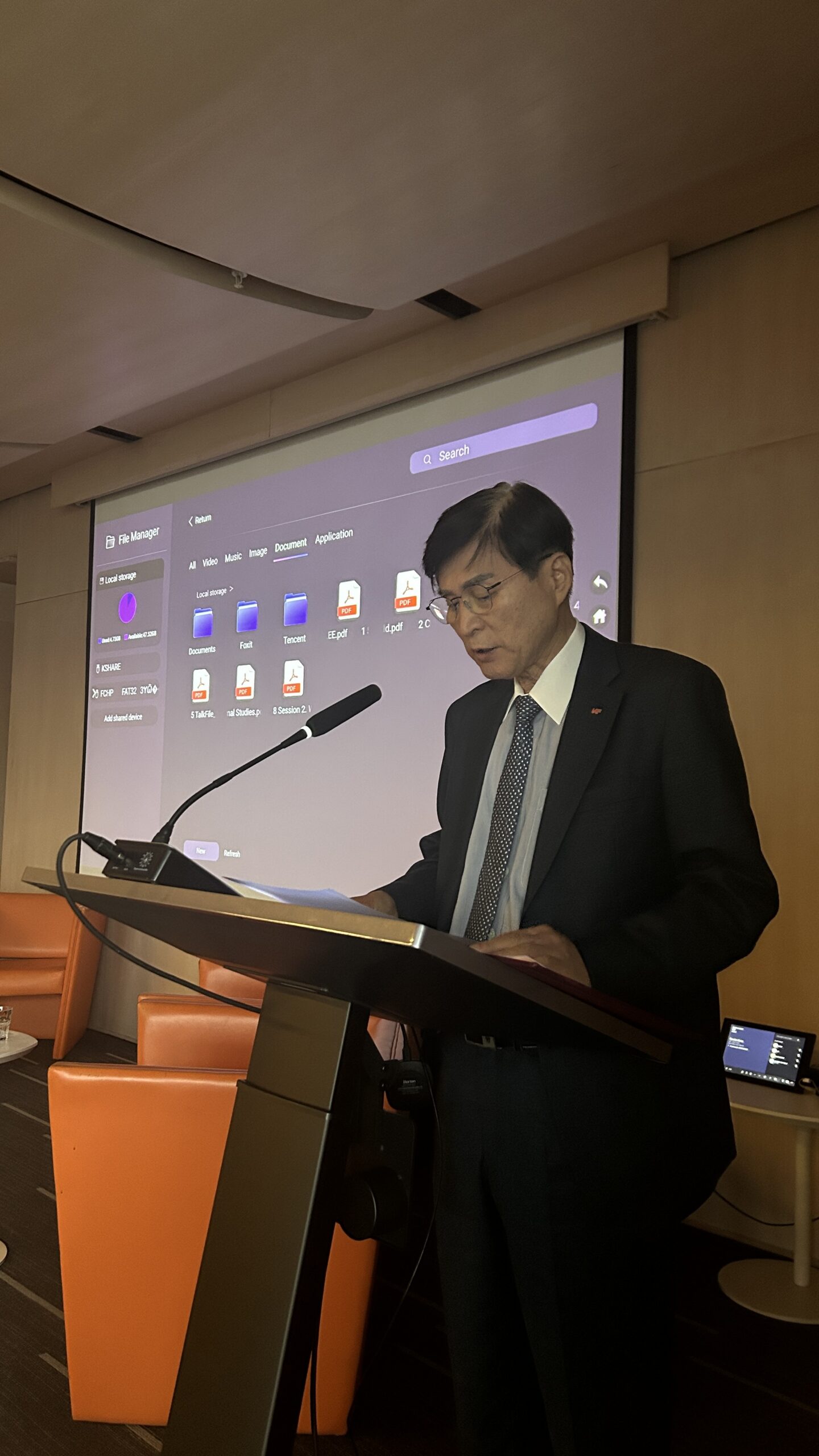
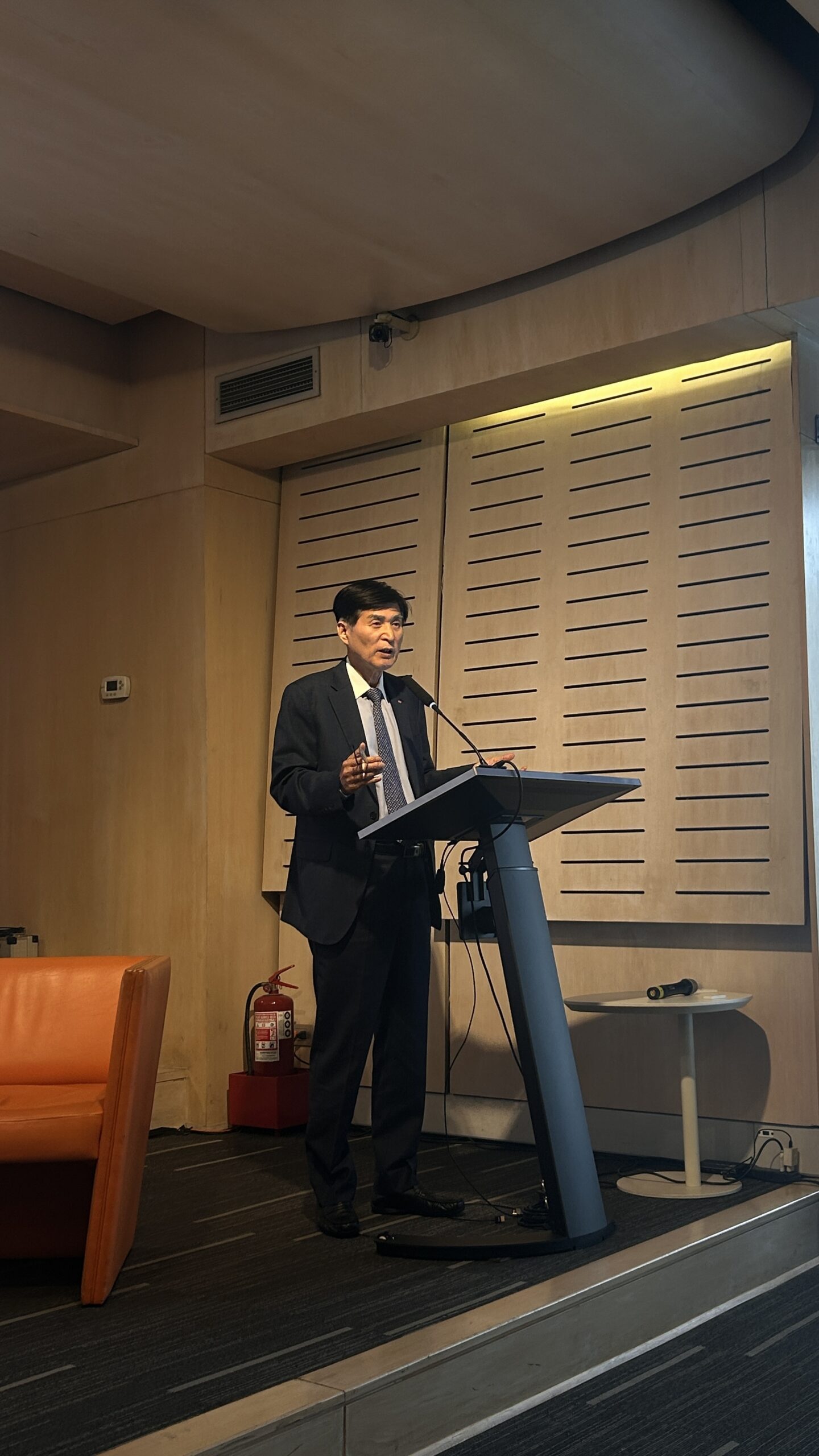
The opening remarks were delivered by Guido Song, President of the Korea Foundation, and Loreto Leyton, Executive Director of the Chile Pacific Foundation, followed by the congratulatory remarks of H.E. Hak-Jae Kim, Ambassador of the Republic of Korea to Chile, and Ricardo Gamboa, Director of the Institute of International Studies of the University of Chile.
In the first session, "Prospects for the Chile-Korea Relationship," the panelists explored the possibilities for deepening bilateral ties beyond the traditional scope of the free trade agreement in force between the two countries since 2004. The shared message was to move from a trade relationship toward a strategic alliance. Seungho Lee, professor at Jeonbuk National University, addressed the modernization of the Chile-Korea FTA, proposing to diversify trade toward services, SMEs, the digital economy, and critical minerals. For his part, Dr. Sang Sub Ha, professor at the Korea National Diplomatic Academy, proposed a strategic alliance in the industries of the future.
Jae Young Kim, Executive Vice President of Hanwha Aerospace, highlighted the co-production and co-development model of the Hanwha Group, one of Korea's largest industrial conglomerates. Marcello Marchese, CEO of Gildemeister, Chairman of the Chilean chapter of the Chile-South Korea Business Council at SOFOFA, and Vice President of the Foundation, then underscored the importance of a bond of trust to sustain the ties between the two countries. Finally, Renato Lilienfeld, Director of the Korea-Chile Chamber of Commerce, called for moving "from trade partners to strategic partners" and for consolidating Chile as Korea's gateway to Latin America.
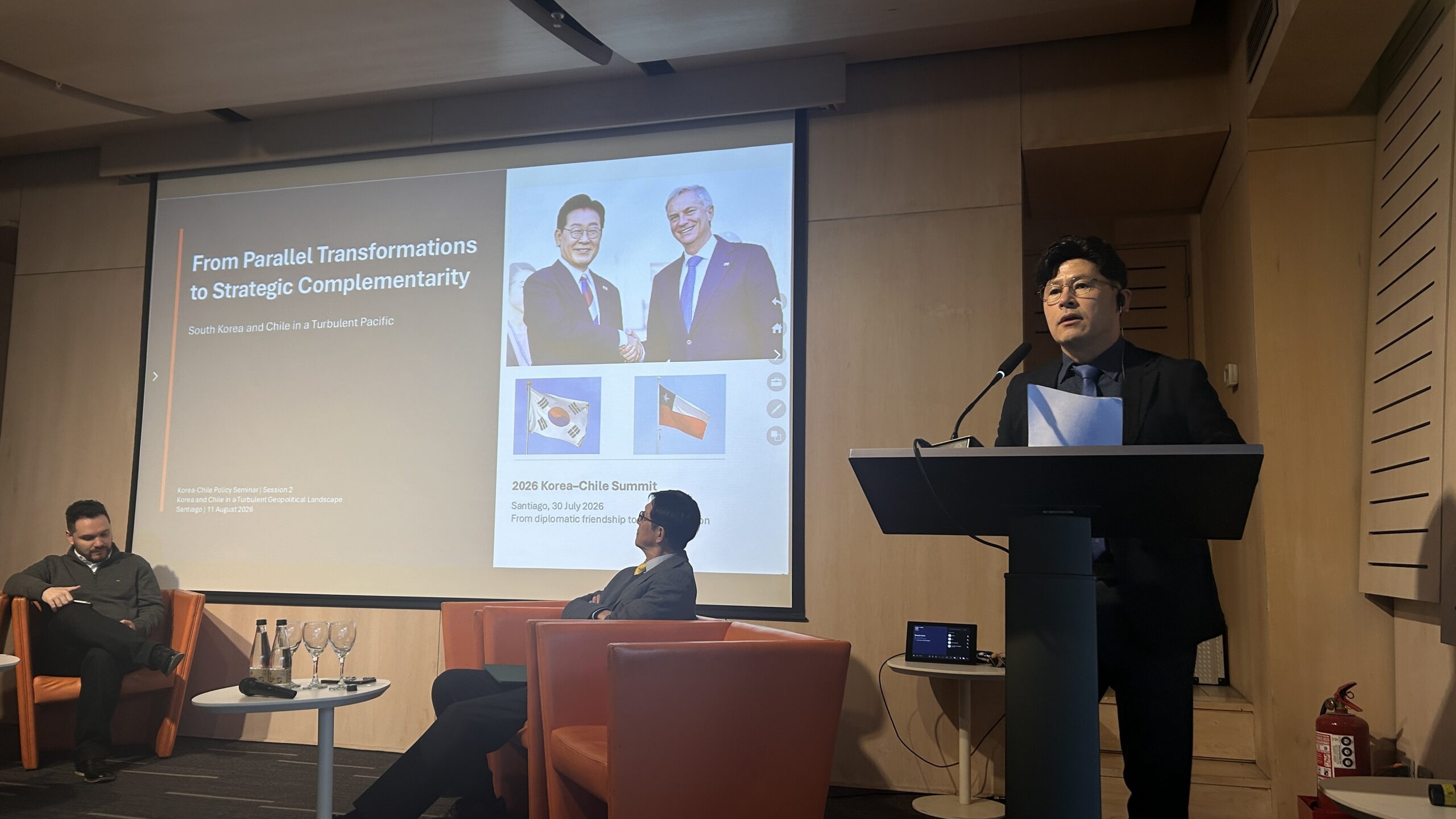
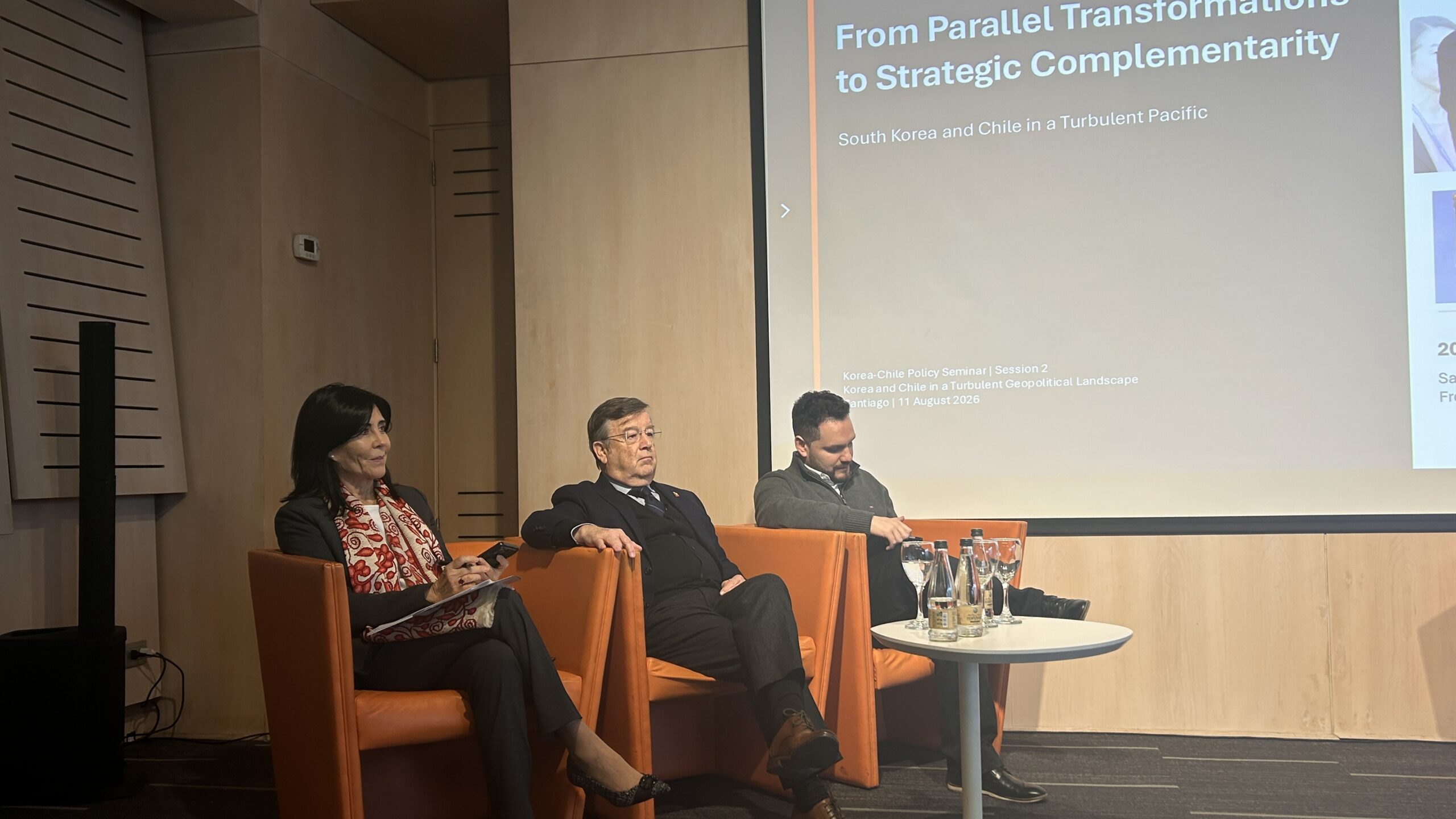
The second session, "Chile and Korea in a Turbulent Geopolitical Landscape," moderated by Loreto Leyton, shifted the analysis to the geopolitical arena. Hanbeom Jeong, President of the Korean Association of International Studies, proposed moving "from parallel transformations to strategic complementarity," and framed the recent visit to Chile by the President of Korea, Lee Jae-Myung, as the transition toward an implementation agenda.
Carlos Olguín, professor at the Institute of International Studies of the University of Chile, pointed to the opportunities that Chile represents for Korea in the Bioceanic Corridor, lithium, and Antarctica. Wonho Kim, Professor Emeritus at Hankuk University of Foreign Studies, then analyzed Korea's "sandwich dilemma" and proposed that both middle powers move from being objects of the rivalry between the superpowers, China and the United States, to co-authors of the rules. Lastly, Camilo Aguirre, professor at the Institute of International Studies of the University of Chile, proposed advancing "from trade to technological cooperation," presenting Chile and Korea as a strategic laboratory of the Latin-Pacific and in light of the strategic advantages that emerge from shaping a Latin-Pacific.
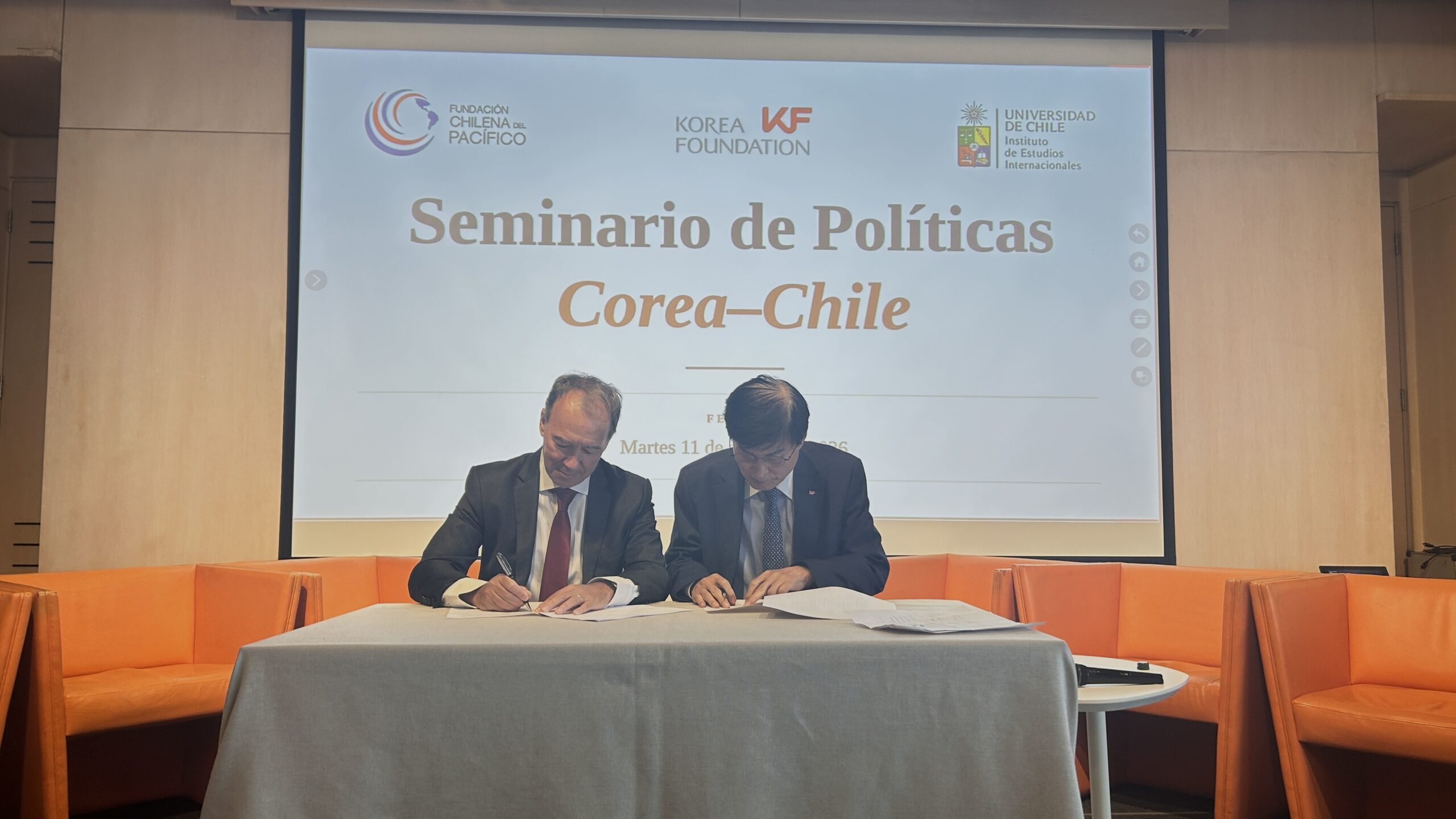
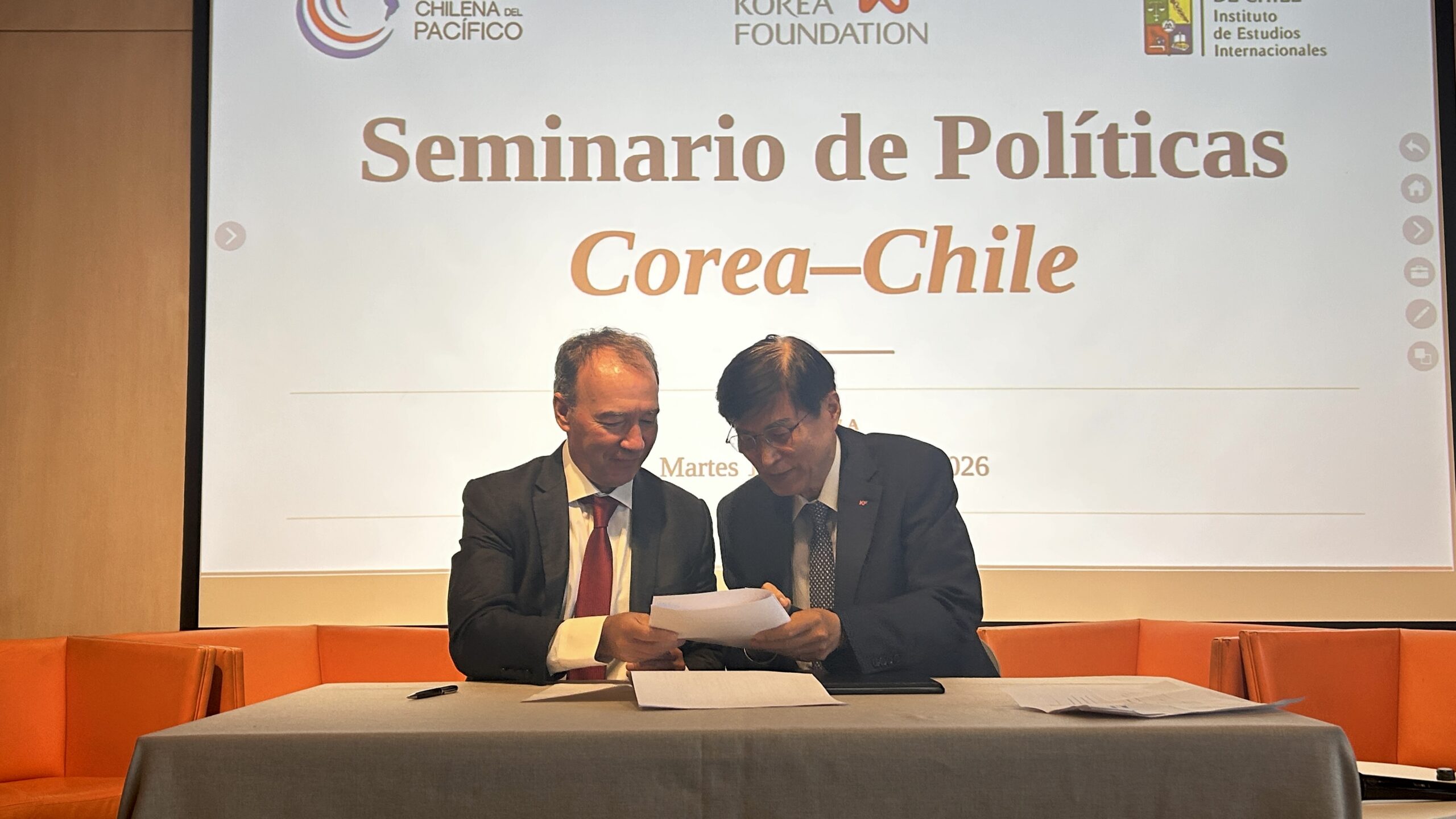
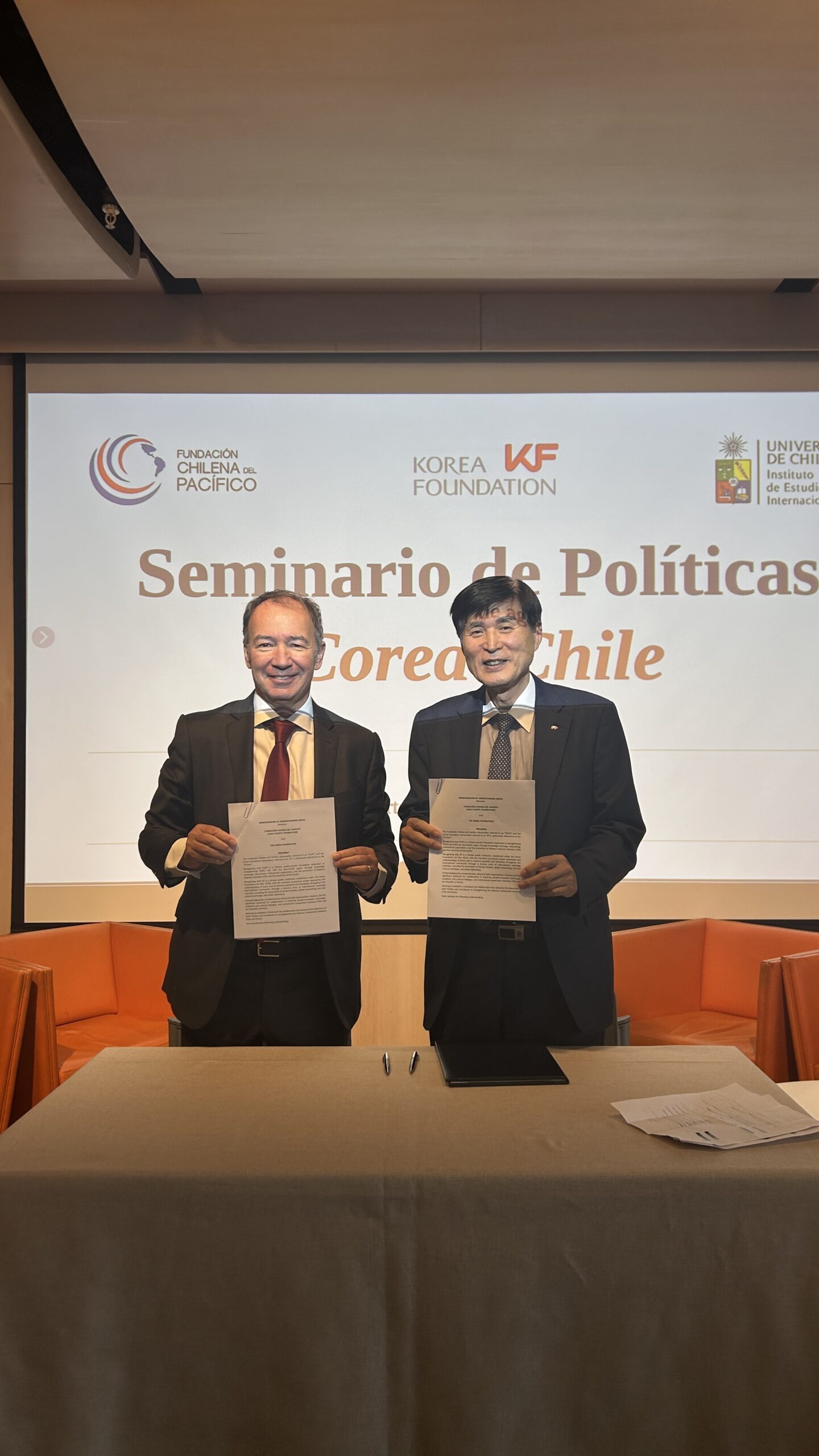
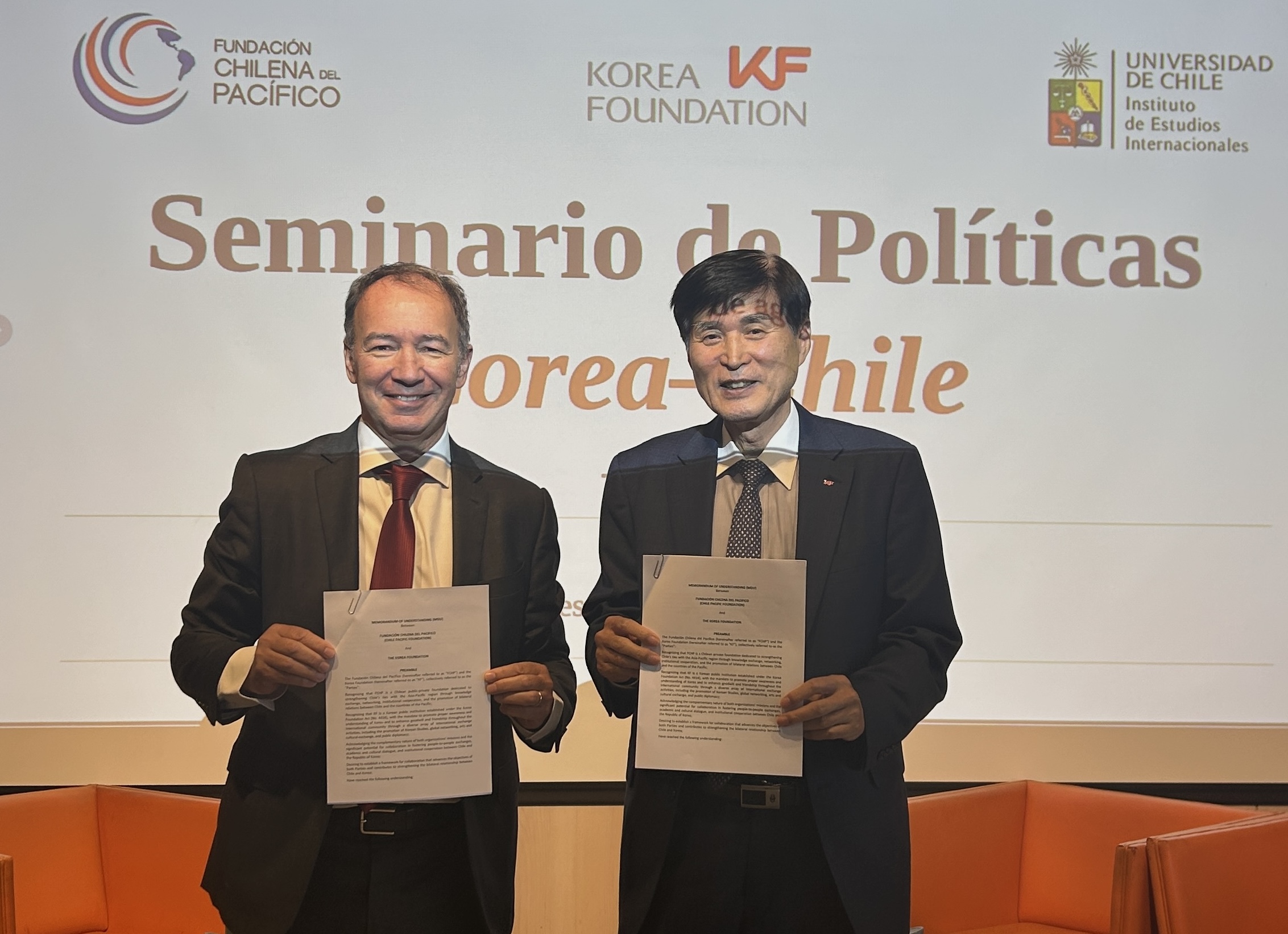
To close, the Korea Foundation and the Chile Pacific Foundation signed a Memorandum of Understanding (MOU), signed by Guido Song and Iván Marambio, President of the Chile Pacific Foundation, to strengthen cooperation between the two institutions.